Miami Gardens FL Pest Control | Top Exterminators & Pest Removal Pros

Miami Gardens FL Pest Control | Top Exterminators & Pest Removal Pros

Why Miami Gardens FL pest control is essential year-round to stop mosquitoes, rodents, and termites

Bed Bug Infestation And Treatment Service Bed Bug Infestation And Treatment Service. Bugs Extermination Pest Control stock pictures, royalty-free photos & images

Pests such as mosquitoes, rodents, and termites are not just seasonal nuisances; they can cause significant health, structural, and environmental problems all year long. Experts emphasize the importance of year-round pest control because it provides a proactive approach to identifying potential infestations before they escalate. Here’s why consistent pest management is essential for preventing these common pests.

Mosquito Control: Eliminating Breeding Grounds and Minimizing Disease Risks

  • Reducing breeding grounds: Regular inspections can identify standing water sources such as clogged gutters or poorly draining flowerpots where mosquitoes breed.
  • Minimizing health risks: Mosquitoes are vectors of diseases like West Nile virus, dengue fever, and Zika virus. Consistent eradication prevents their population from growing unchecked.
  • Applying preventative treatments: Professional exterminators use larvicides and insecticides strategically throughout the year to address active mosquito populations.

Rodent Prevention: Protecting Your Home from Damage

  • Inspection routines: Regular monitoring of common entry points such as cracks in foundations or gaps around doors ensures rodents don’t find access.
  • Sealing entryways: Exterminators use sealants or metal sheeting to block potential nesting sites.
  • Trapping programs: Continuous trapping or bait programs help keep rodent populations under control.
Signs of Rodent Infestation Potential Risks
Droppings around the house Contamination of food sources
Gnaw marks on furniture/wires Fire hazards caused by exposed electrical wiring
Scurrying noises at night Sleep disturbances

Termite Management: Safeguarding Property Investments

  • Monitoring systems: Placement of bait stations around your property helps detect termite activity early.
  • Routine treatments: Pesticide barriers are applied periodically to disrupt termite colonies.
  • Wood treatments: Treated wood minimizes their ability to feed on furniture or foundations.

Benefits of Year-Round Pest Control

  1. Early Detection
    Routine inspections detect potential infestations before they become severe problems.
  2. Cost Savings
    Addressing pest issues early avoids expensive repairs caused by long-term damage.
  3. Improved Health
    A pest-free environment reduces exposure to diseases spread by mosquitoes or rodents.
  4. Peace of Mind
    Knowing your home is protected gives you confidence regardless of the season.

Year-round pest control ensures that these persistent pests don’t have a chance to gain a foothold in your home while protecting your health, property investments, and overall well-being with minimal disruption.

Choosing the Right Pest Control Company Miami Gardens FL for Peak Summer Infestation Season

Summer is one of the most active seasons for pests such as mosquitoes, ants, termites, and flies. Warm temperatures combined with increased humidity create the perfect conditions for these pests to breed, thrive, and invade homes. Effective pest control during summer is crucial to manage infestations that can lead to health risks, property damage, and general discomfort.

Why Summer Increases Pest Activity

Several factors contribute to the rise in pest activity during summer:
Warmer Temperatures: Many pests are cold-blooded, meaning their activity levels ramp up as the temperature increases.
Breeding Season: Summer serves as a prime breeding season for many species like mosquitoes and termites.
Human Outdoor Activities: Outdoor barbecues and gatherings often leave food remnants or trash that attract pests.
Moisture from Rainfall: In some regions, summer rain creates standing water puddles—a favorite breeding ground for mosquitoes.

Common Pests Found During Summer

Pest Risks Why They Thrive
Mosquitoes Spread diseases like West Nile virus Warm temperatures + stagnant water sources
Termites Cause structural damage to homes High humidity facilitates wood decay
Ants Contaminate food supplies Increased search for food in warm weather
Cockroaches Trigger allergies and asthma Thrive in humid environments

Best Practices for Summer Pest Control

  1. Eliminate Standing Water: Regularly empty items like birdbaths, buckets, or plant pots that collect rainwater to prevent mosquito breeding.
  2. Seal Entry Points: Inspect windows, doors, and walls for cracks or gaps where insects can enter; use caulk or weatherstripping to seal them securely.
  3. Minimize Food Sources: Store pantry items in airtight containers; clean crumbs or spills promptly to avoid attracting ants and cockroaches.
  4. Maintain Your Yard: Trim grass regularly and remove debris where pests such as ticks or rodents might hide.
  5. Schedule Professional Inspections: Work with licensed exterminators who can spot signs of infestations early on before they escalate.

Benefits of Proactive Pest Management During Summer

By addressing pest issues proactively during summer months: – You reduce the likelihood of full-blown infestations that require costly remediation. – You maintain a healthier indoor environment free from allergens caused by pests like cockroaches. – You protect your property from structural damages caused by wood-destroying insects such as termites.

Implementing preventive measures alongside professional pest control services ensures your home remains protected throughout this high-risk season while minimizing health hazards associated with common household pests.

How an Exterminator Miami Gardens FL Can Help Combat Termite and Mosquito Surges During Monsoon Weather

Monsoon weather, while essential for replenishing ecosystems, creates the perfect environment for pests like termites and mosquitoes to thrive. The combination of heavy rain, high humidity, and warm temperatures provides these pests with the conditions they need to breed and multiply rapidly. Understanding how monsoon weather affects pest activity can help homeowners take proactive measures to protect their homes.

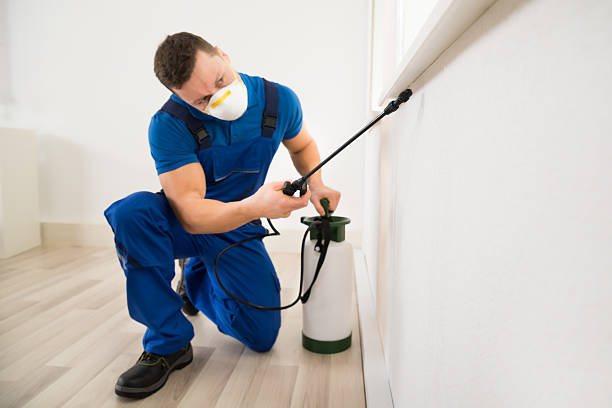
Worker Spraying Pesticide On Window Corner Male worker spraying pesticide on window corner at home Pest Control stock pictures, royalty-free photos & images

Why Monsoon Weather Encourages Pest Activity

  1. Heavy rains saturate soil and wooden structures, creating damp areas that termites find irresistible. Subterranean termites, in particular, rely on moist environments to build their colonies.
  2. Mosquitoes use standing water left behind by rainfall as breeding grounds.
  3. Warm weather accelerates the breeding cycles of pests such as mosquitoes. Eggs laid in stagnant water hatch quickly, leading to a rise in the mosquito population within days.
  4. During heavy rainfall, rodents, termites, ants, and other pests often seek shelter inside homes where they can escape harsh outdoor conditions.

Common Signs of Termite and Mosquito Activity

Pest Signs to Watch For
Termites Mud tubes on walls or foundations, hollow-sounding wood, or discarded termite wings
Mosquitoes Large numbers of adult mosquitoes near standing water or buzzing noises at night

Taking action at the first sign of infestation can prevent further damage or health risks.

Preventing Termite Issues During Monsoons

To safeguard your home from termites:
Eliminate Moisture Sources: Fix leaking pipes and ensure proper drainage around your home’s foundation.
Inspect Wooden Structures: Look for signs of moisture damage or decay in furniture, walls, or flooring.
Apply Preventative Treatments: Use professional termiticide solutions to create an anti-termite barrier around your property.
Seal Entry Points: Close cracks in walls or foundational gaps where termites may enter.

Reducing Mosquito Breeding in Monsoon Season

To minimize mosquito populations during rainy months:
Remove Standing Water: Regularly empty items such as flowerpots, buckets, birdbaths, or clogged gutters that collect rainwater.
Install Window Screens: Prevent mosquitoes from entering your home by fitting windows with tight screens.
Use Larvicides Responsibly: Treat ponds or other water sources with larvicide products approved for safe use near humans and pets.

Partnering with Professionals

  1. Customized inspections identify hidden problem areas prone to termite colonies or mosquito breeding.
  2. Eco-friendly treatments ensure safety while eliminating pests efficiently.
  3. Scheduled maintenance keeps infestations under control year-round.

By understanding how monsoon weather impacts pest behavior and implementing preventive strategies early on—both independently and through professional assistance—you can effectively protect your home from costly damages and potential health risks caused by termites and mosquitoes alike.

Why Winter Is Ideal for Miami Gardens Pest Removal and Rodent Prevention

Winter is an ideal season to focus on rodent control and prevention. As temperatures drop, rodents such as mice and rats seek out warm shelters, often infiltrating homes, garages, and basements. By addressing rodent infestations during this time of year, you can prevent larger problems from developing as these pests breed rapidly if left unchecked.

Why Rodents Are More Active During Winter

During colder months, rodents are highly motivated to find:
Warmth: Homes provide insulation from freezing outdoor conditions.
Food: Accessible food sources become scarce outdoors in winter, driving pests indoors.
Shelter: Rodents seek safe spaces to build nests for breeding.

This seasonal behavior not only increases the likelihood of infestations but also the potential for damage to your property and health risks associated with rodents.

Risks of Ignoring Winter Rodent Prevention

Failing to address rodents during winter can lead to multiple challenges such as:
1. Structural Damage:
– Mice and rats chew through wiring, drywall, insulation, and even wood.
– Damaged electrical wiring increases the risk of house fires.

  1. Rodents carry diseases such as hantavirus and salmonella through their droppings, urine, and saliva.
  2. They may contaminate stored food supplies in pantries or kitchens.
  3. A single pair of mice can produce up to 60 offspring in a year if left unchecked.

Proven Strategies for Effective Winter Rodent Control

  • Seal Entry Points: Inspect your home for cracks, gaps around doors or windows, and holes in walls or foundations. Use steel wool or caulk to seal openings as small as 1/4 inch since mice can squeeze through tiny spaces.
  • Install Door Sweeps: Block gaps at the base of exterior doors using durable door sweeps.
  • Declutter Storage Areas: Remove clutter from attics, basements, and closets where rodents might hide or nest.
  • Store Food Securely: Use airtight containers for pantry items like grains or pet food to eliminate easy access.
  • Regularly Take Out Trash: Dispose of garbage promptly in tightly sealed bins placed away from entry points.
  • Trim Outdoor Vegetation: Keep trees or shrubs trimmed back at least three feet from your home’s exterior walls; overhanging branches provide access points for roof rats.
Recommended Tools Purpose
Steel Wool Sealing small gaps
Airtight Food Containers Protecting pantry items
Snap Traps/Bait Stations Eliminating existing rodents
Weather-Stripping Materials Reducing drafts around windows/doors

Benefits of Addressing Rodents in Winter

  1. You’ll prevent larger infestations that may arise during spring breeding seasons.
  2. Future repair costs associated with property damage will be minimized.
  3. The health risks posed by contaminated surfaces or food supplies will be significantly reduced.

Proactively managing rodents during winter sets you up for a healthier pest-free environment throughout the year while safeguarding your family’s well-being and home investment effectively.

Top Spring Pest Prevention Tips from a Pest Control Service Miami Gardens FL Residents Trust

Spring is a season of renewal, but it also marks the return of many common household pests such as ants, termites, and cockroaches. Warmer weather and increased humidity create the perfect environment for these pests to thrive. Implementing preventative measures during spring can help protect your home from infestations. Below are effective tips to keep your property pest-free during this season.

Eliminate Food Sources

Pests are primarily attracted to food, so controlling their access to it is key:
Store food properly: Use airtight containers for pantry items like cereal, flour, and pet food.
Clean up spills promptly: Wipe countertops and sweep floors daily to remove crumbs and residues.
Empty trash regularly: Avoid leaving garbage overnight by disposing of waste in sealed bins.

Address Moisture Issues

Moisture is a major attractant for termites and cockroaches in particular. Ensure your home remains dry with these steps:
– Fix leaky faucets, pipes, and drains immediately.
– Use dehumidifiers in damp areas like basements or crawl spaces.
– Improve ventilation in bathrooms and kitchens to reduce humidity levels.

Seal Entry Points

Prevent pests from entering your home by sealing off access points:
– Inspect window screens for tears or gaps; repair or replace them as needed.
– Use caulk to seal cracks around doors, windows, vents, and utility lines entering the house.
– Install door sweeps on exterior doors to block entry from crawling insects like ants or cockroaches.

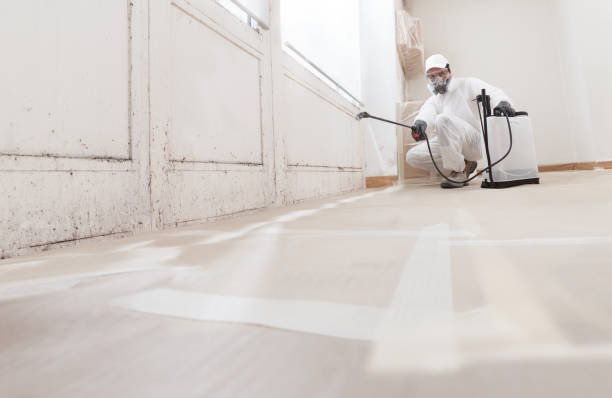
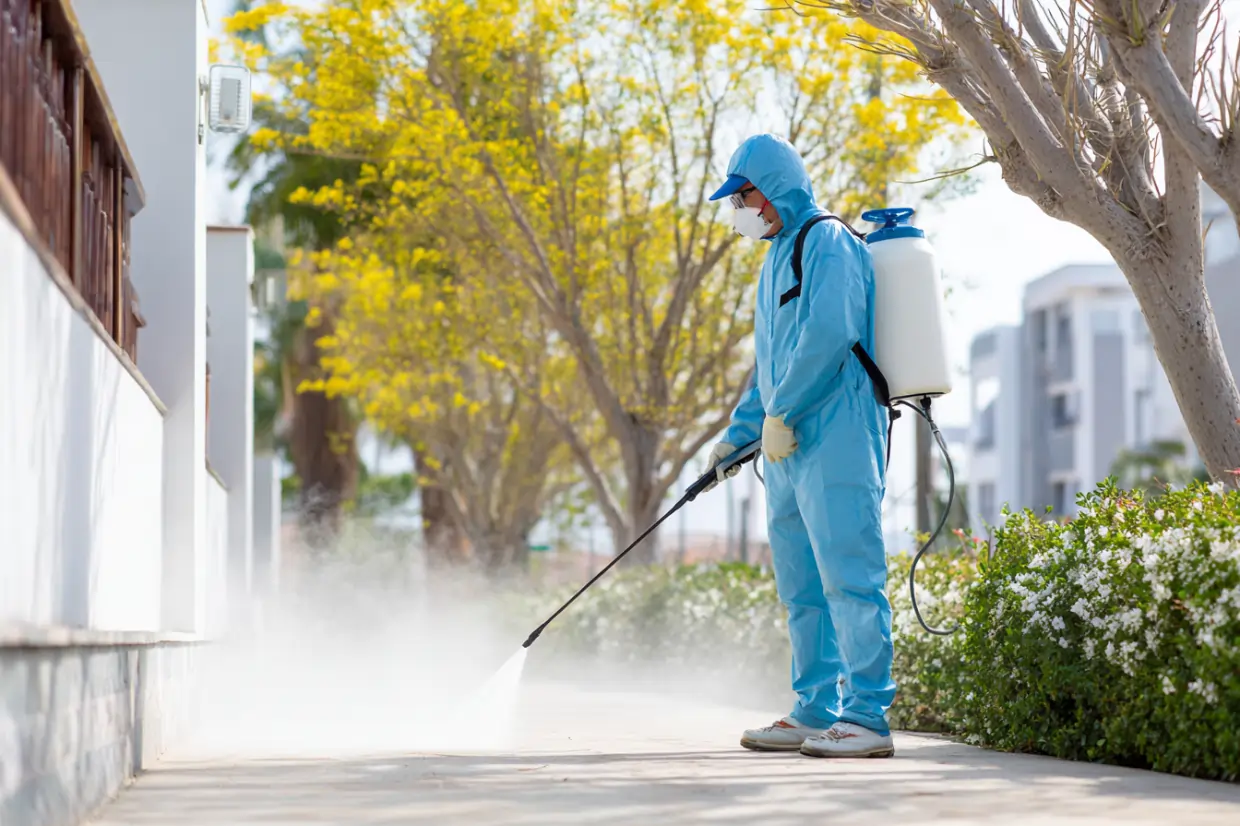
Mold remediation service: A professional worker spraying products to remove mold before house painting, clad in a protective suit and respirator mask, with a backpack sprayer at a home renovation site Mold remediation service: A professional worker spraying products to remove mold before house painting, clad in a protective suit and respirator mask, with a backpack sprayer at a home renovation site Pest Control stock pictures, royalty-free photos & images

Common Entry Points Solutions Tools Needed
Windows Repair screens Replacement screen material
Doors Install door sweeps Door sweeps / weather stripping
Cracks in walls Apply caulk Caulking gun

Manage Outdoor Areas

Maintaining your yard can significantly reduce the likelihood of indoor pest infestations:
– Trim bushes and tree branches that come into contact with your home’s exterior walls or roofline to prevent ants from finding easy access routes inside. – Remove debris like woodpiles or leaf litter where termites often nest. – Ensure gutters are clear of standing water which can attract mosquitoes (and indirectly lead to other pest issues).

Schedule Regular Inspections

Even with preventive measures in place, it’s crucial to have a professional inspect your property for early signs of infestation:
1. Hire a licensed exterminator annually for thorough termite inspections. 2. Consider quarterly pest control treatments for consistent protection against ants and cockroaches. 3. Request advice specific to your region’s climate and common pest threats.

By addressing these areas proactively during springtime, you can significantly reduce the risk of ants, termites, or cockroaches invading your home while setting up strong defenses against future infestations year-round.

The Benefits of Consistent Year-Round Pest Management for Long-Term Results

Pest control is not just a seasonal concern; it’s an ongoing process that requires consistent attention. Adopting year-round pest management strategies offers long-term benefits, ensuring your home remains pest-free while preventing costly infestations. Here’s why consistent pest control is essential and how it can benefit your home and family.

Preventative Approach to Avoid Severe Infestations

Year-round pest management helps identify and address pest problems before they escalate into major infestations. Many pests, such as termites, rodents, and cockroaches, thrive in specific seasons but may begin their activity months earlier. By maintaining consistent monitoring and preventive measures:
– You can spot early signs of pests like droppings, nests, or chewed materials.
– Professional exterminators can apply targeted treatments to disrupt breeding cycles before they worsen.
– Seasonal concerns (such as mosquitoes in summer or rodents in winter) can be managed preemptively instead of reactively.

Health Benefits of Comprehensive Pest Control

Pests are more than just a nuisance; they pose significant health risks to you and your family: – Rodents carry diseases such as hantavirus and salmonella.
Cockroaches trigger allergies and asthma, especially in children.
Mosquitoes spread dangerous illnesses like West Nile Virus and dengue fever.

By addressing these pests year-round, you reduce the risk of exposure to harmful bacteria or diseases they carry.

Financial Savings Over Time

Seasonal extermination services might seem cost-effective upfront but often lead to higher expenses due to repeated treatments for recurring problems. Consistent pest management provides better value by: 1. Reducing potential damage caused by pests such as termites eating through wood structures. 2. Eliminating the need for large-scale remediation after severe infestations. 3. Protecting stored food products from contamination by ants or pantry moths.

A proactive approach prevents small problems from becoming expensive emergencies.

Customized Plans Based on Seasonal Risks

Different seasons bring different challenges when it comes to pest control: | Season | Common Pests | Recommended Action | |————–|———————–|————————————————–| | Spring | Ants, Termites | Inspect entry points; apply barrier treatments | | Summer | Mosquitoes | Eliminate standing water; install traps | | Fall | Spiders | Clear clutter from storage areas | | Winter | Rodents | Seal cracks; set up rodent bait stations |

A year-round plan allows professional exterminators to tailor prevention strategies based on seasonal risks unique to your region.

Peace of Mind

Knowing that your property is consistently monitored for pests provides peace of mind throughout the year. You won’t have to worry about unexpected infestations disrupting your home life with health hazards or property damage.

Consistent year-round pest management is an investment in the safety, comfort, and value of your home. By taking a proactive approach with professional assistance, you ensure effective prevention while avoiding larger problems down the road.

Top Strategies for Preventing Common Household Pests from Breeding in Your Home

Preventing common household pests from breeding inside your home is essential to maintaining a healthy and comfortable living environment. By addressing the root causes of infestations, you can significantly reduce the likelihood of pests like ants, cockroaches, rodents, mosquitoes, and termites taking over your space. Below are some key strategies to help you minimize pest breeding risks effectively.

Maintain Cleanliness Throughout Your Home

  • Clean up food spills immediately: Crumbs and spills attract ants, cockroaches, and rodents.
  • Store food in airtight containers: This helps eliminate access to food sources for pests.
  • Empty trash bins regularly: Make sure trash cans have lids and are emptied frequently.
  • Vacuum and sweep floors often: This removes crumbs and dust that may harbor insects.

Eliminate Standing Water

  • Repair leaking faucets or pipes promptly.
  • Empty water from unused flower pots, buckets, or outdoor containers.
  • Ensure proper drainage around your property to prevent water pooling.
  • Use dehumidifiers in damp areas such as basements or crawlspaces.

Seal Entry Points

Problem Area Recommended Action
Cracks in walls Seal with caulk or expandable foam.
Gaps under doors Install door sweeps or weather stripping.
Broken window screens Repair or replace damaged screens immediately.
Vents & utility lines Install mesh screens or seal gaps with steel wool.

Practice Yard Maintenance

  • Trim trees and shrubs away from the house to avoid creating bridges for ants and rodents.
  • Remove leaf piles, woodpiles, or other debris that could harbor pests like termites.
  • Mow the lawn regularly to discourage nesting insects.

Use Natural Pest Prevention Methods

  • Sprinkle diatomaceous earth in crevices where insects may travel.
  • Use essential oils like peppermint (for spiders) or citronella (for mosquitoes).
  • Introduce predator species such as ladybugs in outdoor areas to control aphids naturally.

Schedule Regular Pest Inspections

Regular professional pest inspections ensure early detection of breeding activity before it becomes a full-blown infestation. Exterminators can provide targeted treatments while offering advice tailored specifically to your property type and location.

By implementing these top strategies consistently over time, you reduce the chance of common household pests gaining a foothold in your living space while preserving both comfort and peace of mind year-round.


How a Pest Control Company Miami Gardens FL Can Help Identify and Prevent Bedbug Infestations in Your Home

Pest Control With Poisonous Substance Woman Applying Poisonous Chalk For Insecticide At Home Pest Control stock pictures, royalty-free photos & images

Bedbugs are small, oval-shaped pests that can infest homes and cause discomfort for occupants. Identifying and preventing these pests early is crucial to avoid a full-blown infestation. This guide offers practical tips on recognizing bedbugs and implementing preventive measures.

What Do Bedbugs Look Like?

  • Size: Adult bedbugs are about 5-7 mm in length, roughly the size of an apple seed.
  • Color: They are reddish-brown and become more reddish after feeding.
  • Shape: Flat and oval when unfed but swell up after a blood meal.
  • Eggs: Small, white, and about 1 mm in size, these are often laid in clusters.

Early Signs of a Bedbug Infestation

  1. Small red bumps, often appearing in clusters or lines on exposed skin.
  2. Bites may itch intensely and resemble mosquito bites.
  3. These stains result from crushed bedbugs or their excrement.
  4. A strong, unpleasant smell may indicate a heavy infestation.
  5. Bedbugs shed their outer layers as they grow; finding these skins near mattresses or furniture is another sign.
  6. Inspect mattress seams, box springs, headboards, and even electrical outlets where they may hide.

Practical Prevention Tips

  • Inspect mattresses, furniture seams, baseboards, and crevices periodically using a flashlight.
  • Pay extra attention when staying in hotels or purchasing second-hand furniture.
  • Minimize clutter to reduce hiding spots for bedbugs.
  • Store items in sealed plastic containers wherever possible.
  • Encase mattresses and box springs with zippered protective covers designed to prevent bedbug infestations.
  • Fill cracks in walls or furniture where bugs might hide.
  • Install door sweeps at the bottom of doors leading outside.

Travel Precautions

Step Action
Inspect Luggage Check suitcases thoroughly before packing them post-travel.
Hotel Checks Examine hotel bedsheets, linens, headboards for signs of bugs.
Launder Clothes Wash all clothing from trips immediately using hot water settings.

Why Early Intervention Matters

Catching a bedbug problem early can prevent large-scale infestations that require costly extermination measures. By routinely inspecting living spaces for signs of these pests and implementing preventive actions into your routine, you can save yourself time, money, and potential stress later on.

How to Spot Bedbug Signs Early with Miami Gardens FL Pest Control

Bedbugs are small, elusive insects that can cause discomfort and frustration if they invade your home. Detecting their presence early is essential to preventing a full-blown infestation. Here’s a guide to recognizing the signs of bedbugs and safeguarding your living space.

Identifying Bedbug Infestations with an Exterminator Miami Gardens FL

  • Bite Marks: Bedbug bites typically appear as small, red, itchy welts. They are often arranged in clusters or straight lines on exposed skin such as the arms, neck, or legs.
  • Fecal Stains: These appear as tiny dark spots or smears on sheets, mattresses, or furniture. Fecal stains are one of the most definitive signs of their presence.
  • Eggs and Eggshells: Bedbug eggs are small (about 1mm long), oval-shaped, and white in color. They are commonly found in cracks, crevices, and tight spaces near sleeping areas.
  • Shed Skins: As bedbugs grow, they molt and leave behind translucent exoskeletons that may be found where they hide.
  • Blood Stains: Small reddish stains on your bedding could be the result of inadvertently crushing a bedbug during sleep.

Effective Miami Gardens Pest Removal: Where to Look for Bedbugs

Location What to Inspect
Mattresses & Box Springs Seams, tags, corners, and undersides for eggs or bugs
Furniture Cracks in wooden frames and upholstered surfaces
Bedding Sheets, pillowcases, mattress covers
Walls & Baseboards Electrical outlets and wallpaper seams
Luggage & Bags Interior seams after traveling

Identifying Behavioral Signs That Indicate You Need a Pest Control Service Miami Gardens FL

  • Increased itching or discomfort while sleeping.
  • A musty odor caused by their scent glands in heavily infested areas.
  • Visual sightings of moving insects late at night.

Preventative Measures

  1. Regular Cleaning: Vacuum carpets and furniture frequently. Pay special attention to crevices where bedbugs might hide.
  2. Protective Covers: Use mattress encasements designed specifically for bedbug prevention as a barrier against infestations.
  3. Minimized Clutter: Reduce clutter around beds or furniture so there are fewer hiding places available for pests.
  4. Inspection After Travel: Carefully check luggage and clothing after staying in hotels or public accommodations.
  5. Seal Entry Points: Use caulk around baseboards and cracks in walls to limit potential hiding spots.

By understanding these early indicators and maintaining vigilance over your living space, you can significantly reduce your risk of a long-term infestation while ensuring better peace of mind at home.

Recognizing the Early Signs of Bedbugs to Protect Your Living Space

Bedbug infestations can be challenging to detect early, as these pests are small, nocturnal, and excellent at hiding. However, recognizing the early signs of their presence is crucial for preventing a full-blown infestation. By staying vigilant and addressing potential problems promptly, you can safeguard your home and maintain a healthy living environment.

Common Signs of Bedbug Presence

  1. Small, red, itchy welts often appear in clusters or linear patterns on exposed areas such as the face, neck, arms, or legs.
  2. Reactions to bites vary by individual; some people experience severe itching and swelling while others may show no symptoms.
  3. Look for reddish or brownish stains on bedding or mattresses caused by crushed bedbugs.
  4. These stains may also appear on furniture or other fabrics where bedbugs reside.
  5. Tiny black dots resembling ink stains are often found near mattress seams, headboards, baseboards, or upholstery fabric.
  6. Bedbugs shed their exoskeletons as they grow. You may find translucent shells in crevices and fabric folds.
  7. Their small white eggs (approximately 1 mm in size) can be spotted in hidden areas but are harder to detect without close inspection.
  8. In significant infestations, a musty or sweet smell might emanate from areas where bedbugs are hiding due to the pheromones they release.

Where to Inspect for Bedbug Activity

  • Check Bedding and Mattresses: Inspect the seams and folds of mattresses and box springs for evidence of activity such as fecal spots or eggs.
  • Furniture: Look behind headboards, between couch cushions, under chair covers, and inside recliners.
  • Wall Cracks and Crevices: Examine gaps between walls and baseboards or behind electrical outlets.
  • Luggage: If you’ve recently traveled, inspect suitcases thoroughly before bringing them into your home.
  • Soft Items: Inspect curtains, rugs, stuffed animals, and piles of clothing left undisturbed for some time.

Preventative Tips to Protect Your Living Space

  • Regularly clean bedding by washing it in hot water (at least 120°F) followed by high-temperature drying.
  • Vacuum frequently around sleeping areas – including carpets – paying special attention to cracks along baseboards.
  • Declutter your living space since clutter provides hiding spots for bedbugs.
  • Use protective mattress encasements designed specifically for bedbug prevention.
  • After traveling: unpack luggage outside whenever possible; wash all clothing immediately; store suitcases away from sleeping areas.

Understanding What Causes Bedbugs and How to Avoid Them

Bedbugs are small, resilient pests that can become a nightmare if they infest your home. To effectively prevent an infestation, it’s essential to understand what causes bedbugs and the steps you can take to avoid them. Below, we’ll explore the main causes of bedbug infestations, common sources of these pests, and practical prevention strategies.

What Causes Bedbugs?

  • Traveling: Bedbugs commonly spread through luggage, backpacks, and clothing when traveling. Hotels or public transportation with even a small presence of bedbugs can lead to them being transported back to your home.
  • Second-Hand Furniture: Used furniture, especially mattresses and upholstered items, is one of the most common sources of bedbug introductions. Infestations often hide in the crevices of furniture before spreading further in a new environment.
  • Crowded Living Conditions: Urban areas or shared housing like dormitories and apartment buildings increase the risk of bedbug transfer due to close quarters and frequent movement between spaces.
  • Lack of Awareness: Many people unknowingly bring bedbugs into their homes because they fail to inspect items thoroughly before bringing them indoors.

How Can You Avoid Bedbugs?

  1. Inspect Second-Hand Items Carefully: Always examine used furniture, bedding, or clothing for signs of bedbugs before purchase or use. Look for small reddish stains or tiny black dots (fecal matter) on surfaces.
  2. Protect Your Luggage When Traveling: Use hard-shell suitcases that provide fewer hiding spots for bugs. Store luggage on elevated racks in hotel rooms rather than placing it directly on floors or beds.
  3. Wash Travel Clothing Immediately: After returning from trips, wash your clothes in hot water and dry them at high temperatures since heat effectively kills bedbugs.
  4. Seal Cracks and Gaps at Home: Bedbugs can enter through cracks in walls or flooring as well as gaps around doors and windows. Sealing these entry points can act as an additional layer of protection.
  5. Use Mattress Encasements: Special mattress covers designed for pest prevention can reduce hiding spots for bugs while also making it easier to detect early signs.

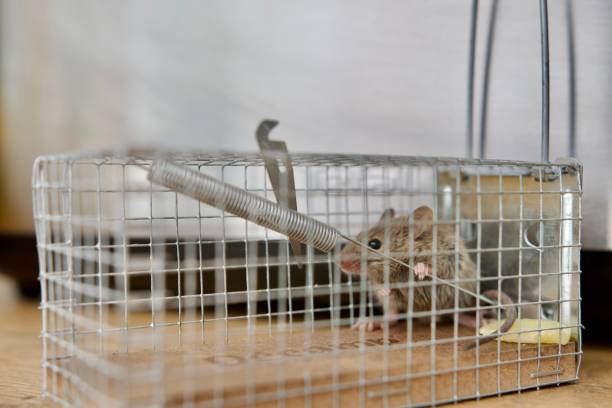
Living mouse inside a trap Mouse trap with a cute living mouse inside in a kitchen Pest Control stock pictures, royalty-free photos & images

Table: Quick Comparison – Common Sources vs Preventive Actions

Common Sources Preventive Actions
Second-hand furniture Inspect furniture thoroughly before bringing it home
Hotel rooms Inspect bedsheets/mattresses; keep luggage off the floor
Neighboring apartments Seal wall cracks; install door sweeps
Public transportation Avoid placing bags on public seating

Why Vigilance Is Key

Bedbug infestations often occur when people underestimate how easily these pests spread from one location to another. Regular inspections at home—around mattresses, furniture seams, baseboards—can catch potential problems early before they escalate into widespread issues.

By understanding how human activity facilitates the spread of these pests and learning effective preventive behaviors, you significantly reduce your risk of encountering an infestation—a step toward maintaining a safe living environment free from unwanted visitors like bedbugs.

Debunking Common Myths About Bedbugs and Their Behavior

When it comes to bedbugs, misinformation and myths abound. These misconceptions can make it harder to prevent, identify, or properly deal with an infestation. Understanding the truth about these pests is essential to address them effectively. Below, we take a closer look at some of the most common myths surrounding bedbugs and shed light on their actual behavior.

Myth 1: Bedbugs Only Infest Dirty Homes

One of the most prevalent myths is that bedbugs are attracted to dirt and filth. The truth is that bedbugs are not a sign of poor hygiene or unclean living conditions. These pests are drawn to warmth, carbon dioxide, and the presence of humans or animals—making any well-populated space a potential target, regardless of cleanliness.

Key Facts: – They can inhabit both clean and cluttered environments. – Regular cleaning may help detect early signs but does not guarantee prevention. – They are often introduced via luggage, second-hand furniture, or clothing.

Myth 2: Bedbugs Transmit Diseases

Another common misconception is that bedbugs spread diseases. While their bites can cause discomfort or allergic reactions in some people, there is no proven evidence that they transmit infectious diseases.

Potential health impacts include: – Skin irritation from bites. – Sleep disturbances due to anxiety about infestation. – Secondary infections if bite sites are scratched excessively.

Myth 3: You Can Eliminate Bedbugs with DIY Solutions Alone

Many people believe that home remedies such as essential oils, baking soda, or over-the-counter sprays are sufficient for eradicating an infestation. Unfortunately, these methods rarely offer lasting solutions.

Why DIY treatments fall short: – Bedbugs hide deep in cracks and crevices where sprays may not reach. – Eggs remain unaffected by many treatments unless specifically targeted. – Professional extermination techniques often use heat treatment or specialized pesticides for thorough eradication.

Myth 4: Bedbugs Are Only Found in Beds

While their name suggests otherwise, bedbugs are not confined to mattresses alone. They can travel beyond beds and settle into other areas of your home.

Common hiding places include: – Upholstered furniture (sofas and chairs). – Behind wallpaper or baseboards. – Inside electrical outlets or appliances. – In cracks within wooden floors or furniture.

Myth 5: You Can Feel When You’re Being Bitten by a Bedbug

Bedbug bites are often painless when they occur because their saliva contains anesthetic properties. Most people only notice bites hours—or even days—after the feeding has taken place due to itching or welts developing later.

Important considerations: – Not everyone reacts visibly to bedbug bites; reactions vary by individual. – Itching does not always occur immediately after exposure.

Table: Truth vs Myths About Bedbugs

Common Myths The Facts
Bedbugs only infest dirty homes Cleanliness doesn’t deter infestations; they seek human hosts.
You can feel them biting you Bites usually go unnoticed until later symptoms arise.
DIY remedies will solve the problem Professional treatment is often necessary for complete removal.
They only live in mattresses Found in multiple locations like furniture, walls, and flooring.
They transmit diseases No evidence supports disease transmission through bedbug activity.

Debunking these myths is crucial in understanding how best to prevent or address a potential infestation effectively. Developing an informed approach based on facts rather than misconceptions ensures better outcomes and avoids unnecessary stress while dealing with this persistent pest problem.

Debunking Common Myths About Bedbugs and Their Behavior

Bedbugs are often misunderstood due to the various myths that surround them. These misconceptions can lead to ineffective treatment methods or incorrect preventive measures. Understanding the truth about bedbugs and dismissing misinformation is key to effectively managing and preventing infestations.

Common Bed Bug Myths

  1. Bedbugs Only Live in Dirty Homes
    One of the most widespread myths is that bedbugs are attracted to filth or poor hygiene. The truth is, bedbugs are not drawn to dirt but rather to warmth, carbon dioxide, and human blood. They can infest clean and tidy spaces just as easily as cluttered environments.
  2. Bedbugs Are Too Small to See
    While bedbug eggs and nymphs may be very small, adult bedbugs are visible to the naked eye. They are typically the size of an apple seed, measuring around 4-5 mm in length, and have a reddish-brown appearance after feeding.
  3. Bedbugs Only Live in Mattresses
    Although mattresses provide an ideal hiding spot due to their warmth and proximity to human hosts, bedbugs can inhabit a variety of places. This includes furniture cracks, electrical outlets, baseboards, suitcases, and even behind wallpaper.

Truths About Bedbug Behavior

Myth Reality
Bedbugs only bite at night While they are more active during nighttime hours when people are sedentary, they can bite anytime if needed.
They jump or fly Bedbugs do not have wings or the ability to leap; they crawl across surfaces at a relatively slow pace.
DIY home remedies will work Many home remedies offer little relief against infestations; professional extermination is often required for thorough elimination.

Why Debunking Myths Matters

  • Assuming DIY sprays work instead of consulting professionals may allow an infestation to worsen.
  • Misidentifying other pests for bedbugs due to misunderstanding their appearance could divert efforts toward unrelated issues.
  • Overlooking potential hiding spots beyond beds could leave areas untreated.

By focusing on verified information regarding bedbug behavior and habits, you can approach prevention and removal strategies more effectively.

How Can You Separate Fact from Fiction?

To ensure you’re following accurate advice:
– Refer to reputable pest control sources or organizations such as the Environmental Protection Agency (EPA) for guidance. – Consult licensed exterminators who have hands-on experience dealing with bedbug infestations. – Avoid anecdotal advice from unverified online forums where myths proliferate easily.

Accurately understanding these parasites helps create informed solutions for addressing them efficiently—limiting both their impact on your living environment and your peace of mind.


Effective Solutions Used by a Pest Control Company Miami Gardens FL

Worker of pest control service during sanitary treatment of house with insecticidal chemical sprays. Worker of pest control service during sanitary treatment of house with insecticidal chemical sprays. Man in goggles and respirator sprays poison on floor of apartment from large spray bottle. Pest Control stock pictures, royalty-free photos & images

Professional exterminators rely on a combination of advanced tools, techniques, and products to effectively manage and eliminate pest problems. Their approach is systematic and tailored to address specific pest issues while prioritizing safety for humans, pets, and the environment. Below is an overview of what exterminators typically use in their professional pest control practices.

Chemical Treatments

Exterminators often utilize various chemical-based solutions to target pests efficiently. These products are chosen based on the type of infestation and its severity:
Insecticides: Used for controlling insects such as ants, cockroaches, and spiders. They are available in sprays, concentrates, or dust forms.
Rodenticides: Special formulations designed to control rodents like mice and rats. These can include toxic baits or anticoagulants that disrupt rodents’ biological systems.
Fumigants: Employed for severe infestations like termites or bedbugs; fumigants release gas into enclosed areas to eradicate pests.

Biological Control Agents

Some exterminators incorporate environmentally friendly solutions by leveraging biological control agents such as:
– Beneficial nematodes to target soil-dwelling insects.
– Predatory insects or mites that naturally prey on specific pests.

Integrated Pest Management (IPM) Techniques

Integrated Pest Management is a widely adopted approach by professionals due to its focus on long-term prevention with minimal impact on the environment:
– Monitoring pest activity through traps or visual inspections.
– Using non-toxic deterrents like diatomaceous earth or essential oils for mild infestations when possible.
– Combining mechanical controls (e.g., sealing entry points) with reduced chemical usage for sustainable results.

Advanced Tools Utilized by Exterminators

Tool/Equipment Purpose Example Uses
Sprayers Application of insecticides evenly Treating baseboards or outdoor perimeters
Foggers Dispersing fine pesticide mist Eradicating flying insects indoors
UV Light Traps Luring and trapping flying pests Attracting moths, flies, or mosquitoes
Infrared Thermometers Identifying temperature-sensitive nesting areas Locating termite colonies

Non-Chemical Methods

Aside from chemicals, many exterminators incorporate mechanical tools and natural methods:
1. Traps: For rodents (snap traps) or larger pests (live traps).
2. Baits: A food attractant mixed with pesticides to lure pests into consuming it. 3. Exclusion Barriers: Materials like steel wool or caulking ensure pests cannot re-enter homes.

Safety Considerations

While these practices are effective against a range of pests, professional exterminators also follow strict safety protocols:
1. Wearing protective gear (e.g., gloves, masks).
2. Conducting risk assessments before applying treatments indoors. 3. Ensuring proper ventilation during fumigation processes. 4 Ensuring family/pets evacuated certain applications restricted timeframe

Effective Miami Gardens FL Pest Control for Common Pest Problems and Infestations

The Importance of Hiring an Exterminator Miami Gardens FL Experts Trust

  • Determine the type of pest causing the issue.
  • Identify nesting or breeding areas.
  • Assess the severity and scope of the infestation.
  • Understand contributing environmental factors that attract pests.

Essential Tips for Miami Gardens Pest Removal

  1. Inspect around windows, doors, foundations, vents, and utility lines for entry points.
  2. Look for evidence such as droppings, nesting materials, or damage caused by pests like rodents or termites.
  3. Check landscaping features that may harbor pests (e.g., overgrown vegetation or standing water).
  4. Identify signs like fecal matter, dead insects, chewed wires, gnaw marks on furniture or walls, and unusual odors.
  5. Carefully inspect basements, attics, kitchens (especially under sinks), storage rooms, and other damp or dark areas vulnerable to infestations.
  6. Use of Detection Tools
    Professionals employ specialized tools to aid their inspections:
  7. Flashlights: To illuminate dark corners and crevices where pests hide.
  8. Moisture Meters: Help locate areas with excessive moisture that might attract pests like termites or mold-loving insects.
  9. Pheromone Traps: Assist in identifying specific insect species present in the premises.

Comprehensive Guide to Pest Control Service Miami Gardens FL

Pest Type Common Signs Typical Hiding Spots
Rodents Droppings, gnaw marks on wood/wires Basements, walls voids, attics
Cockroaches Fecal matter resembling coffee grounds Kitchens (under appliances), bathrooms
Termites Mud tubes along walls; hollow-sounding wood Wooden structures near foundations
Ants Trails leading to food sources Cracks in walls; kitchen countertops
Bed Bugs Blood spots on bedding; molted exoskeletons Mattresses; upholstered furniture

Challenges During Identification

Some challenges professionals face during inspections include: – Hidden infestations within walls or inaccessible areas. – Misidentification due to overlapping characteristics between species (e.g., carpenter ants vs. termites).
To overcome this hurdle, exterminators often rely on their expertise combined with laboratory testing when necessary.

Why Professional Assessment Matters

Attempting DIY pest inspections can lead to missed entry points or unnoticed early-stage infestations. Professionals are trained to recognize subtle indicators and understand patterns linked to specific pest behaviors. This ensures they not only address current issues but also recommend preventative measures for long-term protection.

By conducting a meticulous inspection and accurately identifying pests present in a property, exterminators set the stage for selecting appropriate treatment methods tailored specifically to the situation at hand.

Effective Pest Control Treatment Techniques for a Safer Home

Professional exterminators rely on a variety of treatment techniques to eliminate pests effectively, while ensuring the safety of both the household and the environment. These methods are tailored to specific pest issues and environmental factors, aiming to provide long-term solutions. Here we explore some widely used techniques that professionals employ to maintain a pest-free home.

1. Integrated Pest Management (IPM)

  • Inspection: Identifying pest species and determining the source and level of infestation.
  • Prevention: Sealing entry points, repairing cracks, and eliminating attractants like food or moisture.
  • Control Methods: Using physical, biological, or chemical controls as needed.

This method focuses on minimizing pesticide use by employing non-toxic solutions as much as possible.

2. Chemical Treatments

  • Insecticides: Designed for insects such as ants, cockroaches, and termites.
  • Rodenticides: Specialized baits or poisons targeting rodents.
  • Fumigation: Used in extreme cases for treating large-scale infestations in enclosed spaces.

Pesticides are applied strategically in areas where pests congregate, such as cracks, crevices, or nesting sites. Licensed exterminators follow stringent regulations to mitigate risks associated with chemical exposure.

3. Biological Control Methods

  • Releasing beneficial insects like ladybugs to combat aphids.
  • Introducing nematodes to control soil-dwelling pests such as grubs.
  • Applying microbial agents (e.g., Bacillus thuringiensis) effective against larvae like caterpillars.

These methods offer sustainable alternatives without harming non-target organisms.

4. Physical Exclusion Techniques

Technique Purpose
Sealing gaps & cracks Blocks entry points for insects and rodents
Installing door sweeps Prevents pests from sneaking under doors
Using mesh screens Protects against flying insects like mosquitoes

These steps ensure your home remains less vulnerable to future invasions.

5. Heat Treatments

  • Professionals gradually raise indoor temperatures using specialized equipment until it reaches levels lethal to pests (typically around 120°F–140°F).
  • This method eliminates all stages of the pest lifecycle without using chemicals.

Heat treatments are safe for families and pets when performed correctly by trained technicians.

6. Traps and Baits

  • Sticky traps for small insects like spiders or flies.
  • Snap traps or electric traps designed for rodent elimination.
  • Gel baits placed strategically near active ant trails or cockroach hiding spots.

Proper placement is critical for maximizing trap effectiveness while minimizing harm to non-target species.

By combining these diverse techniques with preventative strategies, professional exterminators can create a safer living environment while reducing dependency on harsh chemicals. Employing these targeted approaches ensures long-lasting results while prioritizing health and environmental sustainability over short-term fixes.

Pest Control At Home Woman Spraying Insecticide With Sprayer At Home Pest Control stock pictures, royalty-free photos & images

How Traps, Baits, Dusts, and Powders Are Utilized in Extermination Solutions

Professional exterminators rely on a variety of tools and methods to address pest infestations effectively. Among these, traps, baits, dusts, and powders play a significant role in providing targeted solutions. Below is an in-depth exploration of how each of these tools is utilized in professional extermination practices to ensure optimal results.

Traps: Targeted Capture with Minimal Risk

Traps are highly effective for controlling pests such as rodents and insects without the use of chemicals. They can be used both indoors and outdoors depending on the infestation.

  • Snap traps for rodents like mice and rats.
  • Glue traps for crawling insects or smaller rodents.
  • Live capture traps for humane removal.
  • Place traps near pest entry points or areas with frequent activity.
  • Avoid overloading traps; pests may evade crowded areas.
  • Regularly check and replace traps to maintain effectiveness.

Traps are frequently used in combination with other extermination methods to ensure comprehensive control over infestations.

Baits: Strategic Lures for Effective Elimination

Baits are designed to attract pests such as ants, cockroaches, or termites while delivering a slow-acting pesticide that disrupts their colony or population.

  • Gel baits for cockroaches.
  • Granular baits for ants or outdoor applications.
  • Liquid bait stations for termites.
  • Place baits strategically where pests forage (e.g., along baseboards or entry points).
  • Use non-repellent formulations to avoid deterring pests before they consume the bait.
  • Monitor bait consumption regularly to assess pest activity levels.

Baiting systems provide an efficient solution that minimizes pesticide use while targeting specific species.

Dusts: Reaching Hidden Spaces

Dust formulations are particularly useful in hard-to-reach areas where sprays may not be practical. These products work by adhering to the body of pests and disrupting their exoskeleton or nervous system over time.

  • Boric acid dust for ants and cockroaches.
  • Diatomaceous earth as a natural alternative against crawling insects.
  • Professional-grade insecticide dusts applied within wall voids or cracks.
  • Long-lasting efficacy when applied correctly.
  • Ideal for void spaces, attics, and under appliances where sprays might not penetrate effectively.

Care must be taken during application to avoid overuse or inhalation hazards associated with some dust products.

Powders: Quick Application Over Larger Areas

Powders function similarly to dust but are often formulated for quicker application across wider surfaces. They can be used indoors or outdoors depending on the type of infestation being treated.

  • Uses of Pest Control Powders: | Pest Type | Powder Used | Application Area | |—————–|—————————|———————-| | Fleas | Insecticidal powders | Carpets & upholstery | | Bed bugs | Silica-based powders | Mattress seams | | Ants | Borax-based powders | Perimeter treatments |
  • Ensure powders remain dry; moisture reduces their efficacy.
  • Avoid applying near food preparation areas unless labeled safe for use in these spaces.
  • Use appropriate personal protective equipment (PPE) when handling powders containing chemicals.

Combining Methods for Maximum Impact

Exterminators often combine these tools—traps for immediate capture, baits for colony elimination, dusts for hidden spaces, and powders as surface treatments—to achieve comprehensive pest control. This integrated approach ensures thorough eradication while minimizing risks to humans, pets, and the environment. When properly utilized by professionals trained in their application techniques, these methods significantly enhance the safety and comfort of any home affected by pest problems.

How Traps, Baits, Dusts, and Powders Are Utilized in Extermination Solutions

When it comes to pest control, exterminators employ a range of techniques and products to effectively eliminate infestations. Among these, traps, baits, dusts, and powders are critical tools that play a significant role in addressing pest problems. Each of these methods has its own specific purpose, advantages, and ideal applications.

Types of Traps Used by Professionals

  • Snap Traps: Commonly used for rodents such as mice and rats. These traps use a spring-loaded mechanism to capture pests quickly.
  • Glue Boards: Sticky surfaces designed to trap smaller pests like insects or rodents. Effective for monitoring pest activity in low-traffic areas.
  • Live Catch Traps: Humane solutions that allow the capture of animals like squirrels or raccoons without harming them.
  • Electronic Traps: Advanced devices that use electric currents to kill pests instantly. Often employed for rodent infestations.

Traps are typically placed in areas where pests frequent or along their travel paths to maximize efficacy.

Professional Use of Baits

Baits are another cornerstone of extermination strategies. These substances attract pests by mimicking food sources but contain active ingredients that eliminate them upon consumption.

  1. Gel Baits: Frequently used for ants and cockroaches as they can be applied in cracks and crevices where these insects hide.
  2. Pellet Baits: Designed for rodents; spread around areas where rodent activity is observed.
  3. Granular Baits: Effective for outdoor use against larger insects like crickets or ants.
  4. Liquid Baits: Used in bait stations to target thirsty pests such as ants during dry conditions.

Professional application ensures the bait’s placement is both safe and strategically effective while minimizing risks to humans or pets.

Dusts: Tackling Hidden Infestations

Dust formulations are widely used by professionals due to their ability to penetrate hard-to-reach places where pests hide.

  • Silica Dusts: Absorb moisture from the bodies of insects like bed bugs or fleas, leading to dehydration.
  • Diatomaceous Earth (Food Grade): A natural option often used against crawling insects by damaging their exoskeletons.
  • Insecticidal Dusts Containing Pyrethrins: Provide long-lasting protection against crawling pests when applied inside wall voids or electrical outlets.

Professionals often deliver dust using precision applicators designed for controlled and efficient placement in tight spaces.

Powders: Broad-Spectrum Use

Pest Type Powder Used Functionality
Ants Boric Acid Powder Ingested by ants and carried back to colony
Fleas Insect Growth Regulator (IGR) Powders Disrupt reproduction cycles
Bed Bugs Residual Insecticide Powders Persistent protection when applied on surfaces

Powder treatments complement other methods by targeting lingering populations after primary extermination efforts are complete.

Strategic Combination of Methods

Experienced exterminators often combine traps, baits, dusts, and powders based on factors such as the type of infestation, severity level, environmental conditions, and safety considerations. For example: – Integrating baits with glue traps can effectively monitor whether pest activity is declining. – Using dust alongside powder helps address insects hiding within walls while providing surface-level protection elsewhere.

This multi-pronged approach ensures optimal results while reducing the chance of reinfestation over time.

Key Environmental Safety and Regulation Guidelines for Exterminators to Follow

Professional exterminators play a critical role in maintaining pest-free environments, but their practices must adhere to stringent environmental safety and regulatory guidelines. These rules ensure not only the safety of people and pets but also the protection of ecosystems. Below is an overview of key environmental safety considerations and regulations that exterminators follow to remain compliant.

Importance of Regulatory Compliance

Exterminators must comply with federal, state, and local regulations when using pesticides or other pest control methods. The following organizations often establish these guidelines:
Environmental Protection Agency (EPA): Oversees pesticide registration and usage restrictions.
Occupational Safety and Health Administration (OSHA): Regulates workplace safety during pesticide application to protect technicians from hazardous exposure.
State Departments of Agriculture or Pest Control Boards: Enforce state-specific licensing requirements and additional restrictions on pesticides.

Maintaining compliance with these entities ensures safe practices while minimizing environmental impact.

Exterminator Spraying Pesticide In Kitchen Exterminator In Workwear Spraying Pesticide With Sprayer Pest Control stock pictures, royalty-free photos & images

Safe Application Techniques

Exterminators utilize integrated pest management (IPM) techniques to balance effectiveness with safety. Some examples include:
1. Targeted Application: Applying pesticides only in affected areas reduces unnecessary chemical exposure for non-target organisms.
2. Low-Toxicity Alternatives: Using eco-friendly products such as botanical-based sprays or biological controls when possible minimizes harm to beneficial insects like bees or predators like ladybugs. 3. Proper Calibration of Equipment: Ensuring equipment disperses chemicals accurately prevents overuse or spillage.

Storage and Disposal Requirements

Improper handling of pest control substances can lead to contamination of soil, water sources, or air quality degradation. Exterminators follow strict protocols for storage and disposal, such as: – Using secure containers with labels identifying contents. – Storing pesticides in designated areas away from living spaces. – Properly disposing unused chemicals at certified waste facilities.

Task Best Practice
Storage Keep chemicals in original containers with clear labeling
Spill Management Use spill kits for immediate containment
Waste Disposal Dispose materials at certified hazardous waste facilities

Protecting Wildlife and Waterways

Certain pesticides are known to harm aquatic life if they enter water systems through runoff or improper application near waterways. Exterminators prevent this by: – Observing buffer zones around streams, rivers, lakes, etc. – Avoiding applications before heavy rains that could lead to runoff. – Choosing products designed specifically for minimal aquatic toxicity.

Training and Certification Requirements

To ensure adherence to these guidelines, professional exterminators undergo rigorous training programs focusing on safe pesticide use, equipment handling, legal compliance, and emergency preparedness procedures.

By adhering to these environmental safety principles alongside regulatory standards, exterminators contribute toward sustainable pest control solutions while safeguarding public health as well as ecosystems from unintended damage caused by harmful chemicals or practices.

Pest Prevention and Exclusion Methods to Protect Your Home from Future Infestations

Preventing pests from invading your home is a critical step in maintaining a clean, healthy, and safe environment. Professional exterminators emphasize pest prevention and exclusion methods as a proactive approach to protect properties from infestations. Below is an overview of effective strategies that can be applied to secure your home against common pests.

Key Pest Prevention Strategies

  1. Inspect for cracks, gaps, or holes around windows, doors, and walls.
  2. Use silicone caulk or weatherstripping to seal these openings.
  3. Install door sweeps at the base of exterior doors.
  4. Keep food stored in airtight containers.
  5. Regularly clean kitchen counters and dining areas to remove food debris.
  6. Dispose of trash in sealed bins and empty them frequently.
  7. Repair leaky faucets, pipes, or HVAC units that may create moisture problems.
  8. Regularly check gutters and downspouts for clogs that contribute to water pooling.
  9. Empty pet water dishes overnight when not in use.
  10. Trim bushes, trees, and shrubs away from your home’s exterior walls.
  11. Maintain at least 12-18 inches of clearance between vegetation and the structure.
  12. Remove piles of wood or yard debris where pests may nest.

Exclusion Methods Recommended by Professionals

  • Install Screens: Ensure all windows have properly fitted screens without tears or holes.
  • Chimney Caps: Add mesh caps over chimneys to block birds or rodents from getting inside.
  • Vent Covers: Use fine mesh vent covers to stop insects like wasps or spiders from entering through attic vents.
  • Foundation Repairs: Patch up foundation cracks with concrete filler or appropriate sealants.
Common Entry Points Suggested Solutions
Gaps around pipes Use steel wool combined with caulk for sealing
Roof openings Repair shingles; install wire mesh on openings
Garage doors Adjust door seals; use rubber thresholds

Routine Monitoring Practices

  • Conduct seasonal checks for signs of pests such as droppings, gnaw marks, nesting materials, or damaged wood.
  • Inspect basements, crawlspaces, attics, and storage areas periodically for hidden infestations.
  • Utilize motion-sensor cameras near high-risk areas (e.g., garbage bins) if larger pests like raccoons are a concern.

By combining effective prevention strategies with exclusion techniques and monitoring practices, you can significantly reduce the risk of future infestations while enhancing the overall safety of your home environment. Consistent upkeep is key—small preventative actions today can help avoid costly professional treatments later on.


How Miami Gardens FL pest control Experts Handle Termite Infestations and Help Homeowners

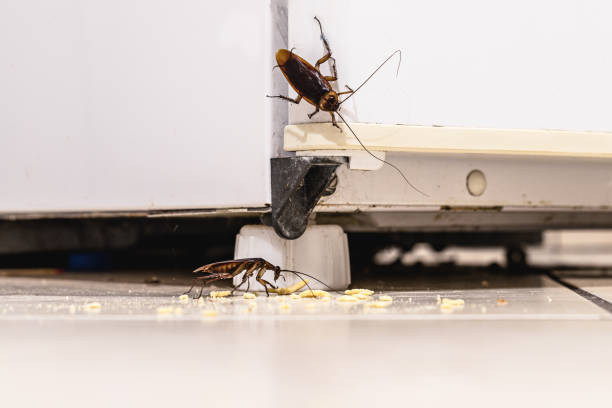
cockroach infestation inside a kitchen, dirty fridge and unhygienic kitchen. Insect or pest problems indoors cockroach infestation inside a kitchen, dirty fridge and unhygienic kitchen. Insect or pest problems indoors Pest Control stock pictures, royalty-free photos & images

Termites are among the most destructive pests, capable of causing significant damage to homes and other structures if left unchecked. A termite exterminator is a trained professional who specializes in identifying, treating, and preventing termite infestations. Their expertise ensures that your property remains protected from these persistent pests.

Key Responsibilities of a Pest Control Company Miami Gardens FL

  1. Conduct thorough assessments of properties to detect signs of termite activity or damage.
  2. Identify species of termites present (e. g. , subterranean, drywood, dampwood) since treatment methods vary by species.
  3. Develop customized treatment strategies based on the infestation’s severity, type, and location.
  4. Ensure plans align with environmental guidelines and safety standards.
  5. Utilize specialized tools and products to eliminate termites effectively.
  6. Apply termiticides (chemical treatments), bait systems, or heat treatments depending on the infestation’s nature.
  7. Recommend measures to prevent future infestations, such as moisture control or structural enhancements.
  8. Offer periodic inspections to ensure long-term protection.
  9. Inform homeowners about how termites operate and what behaviors or conditions attract them.
  10. Provide tips for maintaining a termite-free home environment.

Top Reasons to Hire an Exterminator Miami Gardens FL Residents Trust

  • Expert Knowledge:Professionals understand termites’ habits and life cycles, enabling them to target infestations at their source effectively.
  • Comprehensive Inspections:They can identify subtle signs of termites that may be overlooked by untrained eyes.
  • Tailored Solutions:Customized treatment plans ensure minimal disruption while eradicating pests efficiently.
  • Long-Term Protection:Their preventive measures help reduce the risk of recurring infestations.
  • Safety Compliance:Experts ensure that all treatments are safe for humans, pets, and the environment.

Key Indicators You May Need Miami Gardens Pest Removal

Knowing when to call a termite exterminator is crucial for minimizing damage to your property.

Signs Description
Discarded Wings Evidence of swarming termites near windowsills or baseboards
Mud Tubes Pencil-thin tunnels constructed along walls or foundations
Hollow-Sounding Wood Wood that sounds empty when tapped indicates internal damage
Frass Small piles of sawdust-like debris caused by drywood termites
Blistering Paint Bubbling paint may indicate moisture build-up caused by hidden termites

Effective Pest Control Service Miami Gardens FL to Protect Your Property

A termite exterminator’s role goes beyond simply removing existing pests; they also focus on protecting your home from future threats. By addressing foundational issues like moisture buildup or wood-to-ground contact points, exterminators help reduce conditions conducive to new infestations.

Hiring a skilled professional ensures peace of mind while safeguarding one of your most significant investments—your property—against costly structural damage caused by termites over time.

Understanding the Role of a Professional Termite Exterminator

A professional termite exterminator plays a critical role in protecting homes, businesses, and properties from the destructive effects of termites. Termites are silent destroyers that can compromise the structural integrity of buildings if left untreated. Exterminators are trained specialists who use their expertise to assess, identify, and eliminate termite infestations effectively. Here’s a closer look at their responsibilities and how they help property owners.

Key Responsibilities of a Termite Exterminator

  1. A thorough inspection is the first step in addressing any termite issue.
  2. Professionals look for signs of termites such as mud tubes, discarded wings, hollow wood, or visible damage.
  3. They assess the extent of an infestation and identify termite species (subterranean, drywood, or dampwood) to determine appropriate treatment.
  4. Based on the inspection results, exterminators create tailored strategies for eradication.
  5. The treatment plan may include localized spot treatments or full-structure interventions.
  6. Termite exterminators utilize specialized tools and chemicals to treat affected areas.
  7. Methods may include bait stations, liquid termiticides, fumigation (in severe cases), or heat treatments for non-chemical options.
  8. Professionals provide guidance on how to reduce future infestations by addressing moisture issues or sealing entry points.
  9. They may set up ongoing monitoring systems to detect new termite activity early.
  10. Regular follow-ups ensure the effectiveness of treatments and confirm that termites have been eliminated.
  11. Re-treatment is performed if necessary to maintain long-term protection.

Benefits of Hiring a Professional Termite Exterminator

Benefit Explanation
Expertise and Knowledge Trained professionals understand termite behavior and use proven techniques tailored to specific infestations.
Advanced Tools & Techniques Exterminators have access to industry-grade equipment not available for public use.
Accurate Identification Identifying termite species correctly is crucial for effective treatment; professionals excel in this area.
Time-Saving Solutions A professional service usually resolves infestations faster than trial-and-error DIY efforts.
Long-Term Protection Plans Many exterminators offer warranties or monitoring systems for added peace of mind after treatment.

Why You Should Consider Professional Assistance

Attempting to handle termites without professional expertise can lead to worsening infestations or inadequate solutions that fail over time. Professionals not only eliminate current problems but also implement measures to prevent costly structural damage in the future. A skilled termite exterminator ensures your property remains safe and secure from these destructive pests through comprehensive approaches designed with precision and care.

By understanding what a professional termite exterminator does and how they operate, homeowners can make informed decisions about safeguarding their property against one of nature’s most damaging pests.

Steps Taken by Termite Exterminators to Eliminate Infestations

Termites are among the most destructive pests, capable of causing significant structural damage if left unchecked. Professional termite exterminators follow a systematic process to identify, treat, and prevent termite infestations.

Inspection and Assessment

The first step in combating a termite infestation is a thorough inspection.

  • Survey the property:Inspect both interior and exterior areas for signs of termite activity.
  • Identify species:Determine the type of termites (e. g. , subterranean, drywood, or dampwood) involved in the infestation.
  • Locate colonies:Use advanced tools such as moisture meters, infrared cameras, or borescopes to pinpoint active colonies within walls, floors, or wooden structures.
  • Evaluate damage:Assess the extent of structural damage caused by termites and determine whether repairs are needed.

Customized Treatment Plan

After inspection, exterminators develop a tailored treatment strategy based on factors such as termite species, property layout, and severity of infestation.

  1. Chemical treatments: Use of termiticides to target active colonies and create barriers against future infestations.
  2. Baiting systems: Placement of bait stations around your property that attract termites with slow-acting toxins designed to eliminate entire colonies.
  3. Fumigation: For severe infestations involving dry wood termites, whole-house fumigation may be recommended as an effective option.
  4. Localized spot treatments: Focused application of termiticide in specific problem areas like woodwork or foundations.

Each treatment method is carefully chosen to minimize harm to non-target organisms and ensure long-term results.

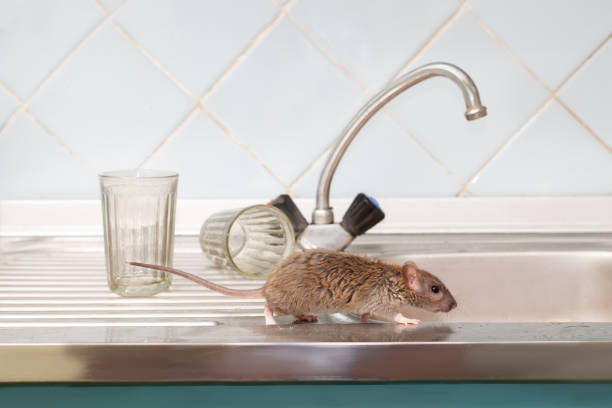
Closeup young rat prowls on the sink at kitchen on background of two faceted glasses. Fight with rodents in the apartment. Extermination. Closeup young rat (Rattus norvegicus) prowls on the sink at kitchen on background of two faceted glasses. Fight with rodents in the apartment. Extermination. Pest Control stock pictures, royalty-free photos & images

Implementation of Treatments

  • The exterminator applies selected measures safely and efficiently.
  • For baiting systems: Stations are installed at strategic locations around the perimeter of your home.
  • If chemical barriers are used: Liquid termiticides are injected into soil around foundations or drilled into infested wood for targeted action.

During this phase, professionals take precautions to protect your family, pets, and surrounding environment from exposure.

Monitoring and Follow-Up

Effective pest control requires ongoing monitoring after initial treatments.

  • Conduct regular inspections to ensure no new termite activity arises.
  • Replenish bait stations as needed to maintain their effectiveness.
  • Provide recommendations on preventive measures for long-term protection.

Scheduling periodic follow-ups helps identify potential risks early while ensuring that any residual colonies are eliminated.

Table: Common Tools Used by Termite Exterminators

Tool/Equipment Purpose
Moisture Meters Detect high-moisture areas where termites thrive
Infrared Cameras Identify hidden termite activity behind walls
Borescopes Inspect hard-to-reach spaces within wooden structures
Liquid Applicators Deliver termiticides directly into affected areas
Bait Stations Attract termites with toxic baits designed for colony elimination

Tips for Homeowners During the Process

  1. Clear clutter from affected areas for easier access.
  2. Remove pets from treated zones until advised safe by professionals.
  3. Repair damaged wood or structures as needed under expert guidance.
  4. Implement preventative measures such as fixing leaks or reducing wood-to-soil contact near foundations.

By following these steps with professional help, you can safeguard your home against costly structural damage caused by termites effectively.

Why Hiring a Skilled Termite Exterminator is Essential for Your Home

Their ability to silently destroy wood structures can result in significant property damage and costly repairs. Hiring a skilled termite exterminator is not just an investment in pest control—it is an investment in protecting your home and its value. Below, we explore the key reasons why enlisting the help of a professional termite exterminator is essential.

Expertise in Identification and Treatment

Professional exterminators possess specialized knowledge and training to identify the type of termites infesting your home. Different termite species require different treatment approaches, which makes accurate identification crucial.
– Conduct a thorough inspection of your property to determine the type and extent of the infestation.
– Develop a tailored treatment plan based on the specific termite species present.
– Provide long-term solutions instead of short-term fixes.

Without this expertise, DIY treatments or improperly handled infestations may fail to fully eliminate termites, allowing them to cause further damage over time.

Use of Advanced Tools and Techniques

Skilled termite exterminators utilize specialized tools and techniques that are not readily available to homeowners attempting DIY pest control methods.
Termite detection devices: Thermal imaging cameras, moisture meters, or acoustic sensors for precise detection of termite activity inside walls or floors.
Baiting systems: Professional-grade bait stations strategically placed around your property to lure termites away from structural wood.Chemical barriers: Application of liquid termiticides around foundations to create a protective barrier against future infestations.Fumigation services: For severe infestations requiring comprehensive treatment throughout an entire structure.

These advanced techniques ensure effective elimination while minimizing risks to non-target areas, pets, or humans.

Tool/Method Purpose Benefits
Thermal imaging Detects hidden termite nests Non-invasive; accurate results
Baiting systems Attracts termites with slow-acting poison Targets colony at its source
Liquid termiticides Creates barriers around structures Long-lasting prevention measures

Protection Against Structural Damage

Termites feed primarily on wood but can also damage other materials such as insulation or drywall during their search for food sources. Hiring a professional ensures early detection before extensive damage occurs—a proactive step that saves thousands in potential repair costs. Consider these figures: – The average cost of repairing termite-related damage ranges from $3,000–$8,000 depending on severity. – An annual inspection from a licensed exterminator typically costs far less than structural repairs caused by unchecked infestations.

Tailored Prevention Plans

A professional exterminator doesn’t just eradicate current infestations—they also implement preventative measures to reduce the likelihood of future problems. This includes: 1. Educating homeowners about conducive conditions for termites (e. g. , excess moisture around foundations).
2. Suggesting modifications like sealing cracks or reducing soil-to-wood contact near buildings. 3. Scheduling regular inspections to monitor for signs of re-infestation.

These preventative strategies provide long-term peace of mind while safeguarding one’s biggest investment: their home.

Professional Accountability

Licensed exterminators operate under strict regulations ensuring safety standards are met during treatment processes involving chemicals or equipment use—something untrained individuals may overlook when attempting DIY methods.

In summary, hiring a skilled termite exterminator provides access not only to knowledge but also advanced resources necessary for proper identification, elimination, prevention planning—all aimed at preserving both structural integrity & value over time effectively

The Tools and Techniques Used by Modern Termite Exterminators

Modern termite exterminators employ a variety of tools and techniques to effectively combat infestations while minimizing risks to health, property, and the environment. These methods are designed to provide long-term solutions and prevent termites from causing extensive damage. Below is an overview of the tools and techniques commonly used by professionals in the field.

Inspection Tools

Before any treatment begins, a thorough inspection is conducted to determine the extent of the infestation.

  • Moisture Meters: Help detect areas with excess moisture that are conducive to termite activity.
  • Infrared Cameras: Identify temperature variations behind walls or under floors, which can indicate termite presence.
  • Borescopes: Allow professionals to inspect hard-to-reach areas within walls or ceilings without causing unnecessary damage.
  • Probing Tools: Test wood structures for hollowness or damage caused by termites.

These tools allow exterminators to locate termite colonies with precision while assessing structural vulnerabilities.

Chemical Treatments

Chemical treatments are one of the most effective ways to eliminate termites. These substances are carefully selected based on the infestation type and severity.

  • Liquid Termiticides: Applied in trenches around a building’s foundation, creating a protective barrier that repels or kills termites upon contact.
  • Termite Baits: Stations containing slow-acting toxic baits are strategically placed around infested areas. Worker termites transport the bait back to their colonies, eventually eliminating them.
  • Dusting Agents: Used inside wall voids or wooden structures, these powders target active infestations directly.

Professionals ensure that all chemicals meet regulatory standards for safety and efficacy.

Non-Chemical Techniques

With advancements in pest control technology, non-chemical approaches have become increasingly popular for their environmentally friendly nature.

  • Heat Treatments: High-temperature systems are used to eradicate termites in localized areas without relying on chemicals.
  • Electro-Gun Systems: Deliver targeted electrical currents to infested wood, effectively killing termites on contact.
  • Microwave Technology: Penetrates wood surfaces to reach termites deep within structures. This method is particularly useful for hard-to-access areas.

These methods provide homeowners with eco-conscious alternatives while maintaining effectiveness.

Pest control worker in protective suit and mask spraying chemical over house window Pest control worker inside the house. Exterminator wearing white protective suit, mask and goggles holding yellow sprayer bottle and spraying insecticide over window sill in modern living room at home Pest Control stock pictures, royalty-free photos & images

Preventative Measures

Beyond eradication, modern exterminators emphasize prevention as a critical part of their service offerings.

  1. Installing physical barriers such as stainless steel mesh during construction phases to block termite entry points.
  2. Treating soil around foundations with termiticides before construction begins (commonly known as pre-construction treatment).
  3. Recommending maintenance practices such as eliminating moisture sources or addressing wood-soil contact issues that attract termites.
Preventative Measure Benefit Example
Physical Barriers Blocks entry points Stainless steel mesh under flooring
Soil Treatments Protects from subterranean infestations Pre-construction application
Moisture Control Reduces conducive conditions Fixing leaks or using dehumidifiers

Advanced Monitoring Systems

  • Electronic sensors that detect termite activity in real time.
  • Remote monitoring devices linked with mobile apps for ongoing surveillance.
  • Periodic inspections based on installed bait stations or traps.

These tools empower exterminators and homeowners alike with enhanced control over potential recurring infestations.

By leveraging these sophisticated tools and innovative techniques, professional termite exterminators not only remove existing threats but also help safeguard properties against future invasions effectively and responsibly.

How to Identify When You Need a Termite Exterminator to Protect Your Property

These wood-destroying insects can silently compromise the structural integrity of your home over time, often without noticeable signs. Knowing how to identify when you need a termite exterminator is critical for protecting your investment and ensuring safety.

  • Frass (Termite Droppings): Drywood termites leave behind small, pellet-like droppings near infested areas.
  • Discarded Wings: After swarming, termites shed their wings.

When to Call a Termite Exterminator

  1. Visible Damage: If you notice structural damage such as sagging floors or ceilings, it’s time for immediate professional help.
  2. Persistent Swarmers: Spotting multiple swarms of flying termites indicates an active infestation nearby.
  3. Preventative Inspections for Older Homes: Homes with older wooden structures are particularly vulnerable and require routine inspections by an expert.
  4. DIY Treatments Have Failed: If you’ve attempted over-the-counter treatments without success, it’s best to escalate the situation with certified professionals.

Benefits of Early Detection

Identifying termite activity early can save you significant repair costs and prevent further damage.

Benefit Description
Cost Savings Early intervention reduces repair costs by addressing infestations quickly.
Structural Integrity Prevents long-term damage that compromises foundational strength.
Peace of Mind Professional inspections ensure no hidden colonies remain undetected.

Why Professional Assistance is Critical

DIY methods may seem appealing but often fail to target the root cause of termite infestations effectively. A licensed exterminator has access to advanced tools such as thermal imaging cameras and moisture meters to locate hidden colonies. They also use tailored treatment plans like baiting systems or soil treatments designed specifically for your property’s needs.

By recognizing the warning signs early and seeking assistance from a qualified termite exterminator when needed, you can protect your home from costly damages while maintaining its value over time.

What to Expect During a Visit from a Professional Termite Exterminator

A professional termite exterminator plays a crucial role in identifying and addressing termite infestations effectively. If you’ve scheduled an exterminator visit, knowing what to expect can help set realistic expectations and ensure the process runs smoothly. Below is a detailed breakdown of what typically happens during such visits.

Initial Inspection

The first step in any termite treatment is a thorough inspection of your property.
Assess Problem Areas:They’ll examine areas where termites are most likely to be found, such as basements, crawlspaces, wooden structures, foundations, and attics.
Identify Signs of Infestation:
Determine the Extent of Damage:By inspecting your home’s structure, they’ll gauge how advanced the infestation is and whether it has compromised structural integrity.

This inspection typically involves both visual checks and specialized equipment like moisture meters or infrared cameras to detect hidden colonies.

Explanation of Findings

Once the inspection is complete:
– The exterminator will provide an overview of their findings.subterranean termites, drywood termites, or other species that may require tailored treatment approaches. – A breakdown of potential risks and damages caused by current infestations will also be given.

Expect clear communication about what steps need to be taken next and why those steps are necessary.

Treatment Plan Proposal

Depending on the severity and type of infestation, they will recommend an appropriate treatment plan.
1.Chemical Treatments– Using liquid termiticides around foundations or inserting them into wood structures to create barriers against termites.
2.Bait Stations– Installing bait stations around your property to draw termites away from your home while eliminating colonies over time. 3.Fumigation (if needed)– In cases involving widespread drywood termite infestations, fumigation may be recommended for comprehensive coverage. 4.Physical Barriers– For new constructions or preventative measures in existing homes, physical barriers like stainless steel mesh or sand can block entry points.

The exterminator should also discuss expected timelines for treatment completion and follow-up visits if required.

Execution of Treatment

Once you approve the proposed plan:
– The exterminator will prepare your home for treatment by sealing off targeted areas if necessary. – For chemical treatments or bait station installations, they’ll ensure proper placement to maximize effectiveness. – If fumigation is required (for severe infestations), preparations such as vacating the home for several days may be part of this process.

Every step is carried out with safety precautions in mind for both humans and pets living on the property.

Post-Treatment Examination & Recommendations

After completing initial treatments:
1. A follow-up inspection might be conducted to gauge effectiveness. 2. The exterminator may offer regular monitoring services as part of ongoing pest management strategies. 3.

Benefits of Professional Termite Extermination Services

Benefit Description
Expertise Professionals understand termite behavior and apply targeted solutions.
Long-Term Effectiveness Treatments address problem areas thoroughly with lasting results.
Advanced Tools & Techniques Access to technology like infrared imaging ensures no colony goes undetected.
Safety Proper handling of chemicals reduces risks associated with DIY attempts.

By understanding what happens during a professional termite extermination visit, homeowners can feel confident in taking proactive steps toward safeguarding their homes against these destructive pests while partnering effectively with skilled professionals for long-term protection.

What to Expect During a Visit from a Professional Termite Exterminator

When dealing with termites, homeowners often turn to professional exterminators for effective and long-lasting solutions. Understanding what happens during a visit from a professional termite exterminator can demystify the process and help you prepare.

Initial Inspection and Assessment

The first step of the exterminator’s visit is an in-depth inspection of your property.
Exterior Inspection:The exterminator will examine the foundation, crawlspaces, and exterior walls for visible signs of termite activity such as mud tubes, damaged wood, or discarded wings.
Interior Inspection:Inside your home, they will look for hollowed-out wood, buckling floors or ceilings, and pinpoint entry points where termites could have infiltrated.

They may also use specialized tools such as moisture meters or infrared cameras to detect hidden infestations that aren’t visible to the naked eye.

Discussion of Findings

Once the inspection is complete, the exterminator will share their findings with you.
– The extent of the infestation and areas affected.
– The species of termites present (e. g. , subterranean or drywood termites).
– Potential damage already caused by the termites.

At this stage, they will also provide recommendations for treatment methods based on their observations.

Treatment Plan Development

The exterminator will create a customized treatment plan tailored to your specific situation.
1.Severity of Infestation– Light infestations might require spot treatments, while heavier ones could necessitate full-property fumigation.
2.Type of Structure– Homes with wooden foundations may need different treatments compared to those with concrete slabs. 3.Environmental Considerations– Organic or less invasive methods might be suggested if requested.

Application of Treatment Methods

Method Description Purpose
Liquid Termiticides A chemical barrier is applied around the property’s perimeter. To prevent entry and eliminate active colonies.
Baiting Systems Bait stations are strategically placed around your property. To attract and poison worker termites slowly.
Fumigation Entire structure is tented and treated with gas fumigants. To eradicate widespread infestations deeply.

Throughout this process, safety measures are implemented to protect residents and pets while ensuring effectiveness.

Post-Treatment Follow-Up

  • The exterminator may schedule follow-up visits to assess whether treatments were successful.
  • They’ll advise on prevention strategies to reduce future risks such as sealing cracks in foundations or addressing moisture issues.
  • In some cases, warranties or guarantees are offered for additional peace of mind.

Understanding each step ensures that you’re well-informed about what occurs during a termite extermination visit—empowering you to maintain your property’s structural health effectively over time.


Primary Duties and Responsibilities of a Pest Control Company Miami Gardens FL

Young male exterminator worker spraying insecticide chemical in kitchen Young male exterminator worker spraying insecticide chemical in kitchen Pest Control stock pictures, royalty-free photos & images

1. Inspecting Properties for Signs of Pests

One of the first tasks an exterminator undertakes is conducting thorough inspections to identify pest infestations. This includes:
– Examining indoor and outdoor spaces for visible signs of pests, such as droppings, nests, or chewed materials.
– Identifying entry points like cracks in walls, windows, or doors that allow pests to enter. – Utilizing tools such as moisture meters or infrared cameras to detect hidden infestations.

2. Identifying Types of Pests

Not all pests are treated the same way. A professional exterminator:
– Identifies the species involved (e.g., rodents, ants, cockroaches, termites).
– Understands pest biology and behavior to develop effective treatment plans.

This step is crucial because particular approaches are required for different types of infestations.

3. Developing Treatment Plans

After assessing the situation, exterminators create customized treatment strategies tailored to specific infestations. This may include:
– Choosing appropriate chemical or non-chemical methods depending on the pest type and severity. – Determining whether treatments should target eggs, larvae, or adult stages. – Considering environmental factors to minimize potential risks.

4. Applying Safe Pest Control Methods

Exterminators must prioritize safety while implementing control measures. Their responsibilities include:
– Applying pesticides responsibly and within regulatory guidelines. – Using eco-friendly or non-toxic treatments when possible. – Ensuring minimal disruption to clients’ daily activities during application.

5. Educating Clients About Preventative Measures

Educating clients on how to prevent future infestations is a vital part of an exterminator’s duties: – Recommending physical changes like sealing cracks or improving sanitation practices. – Advising on proper waste management techniques to reduce attractants for pests.

6. Ongoing Monitoring & Follow-Up

Pest control often requires more than one visit to ensure effectiveness: | Task | Purpose | |———————|—————————–| | Scheduling follow-ups | To verify successful elimination | | Re-treating areas | In case any pests remain | | Providing reports | Detailed documentation about findings & actions |

7. Keeping Updated on Industry Practices

Exterminators need continuous training: – Staying current with new laws regarding pesticide use. – Learning advanced technologies like heat treatments or baiting systems.

By performing these diverse tasks with professionalism and care, exterminators ensure lasting results while prioritizing health and safety standards for their clients.

Expert Exterminator Miami Gardens FL Offering Customized Solutions for Every Infestation Problem

Understanding the Pest Species

Different pests require different methods of control. Identifying the pest species is the first step in tailoring an effective treatment plan. For example:
Rodents: Require baiting, trapping, and sealing entry points.
Termites: May necessitate fumigation or liquid termiticide application, depending on severity.
Cockroaches: Often need targeted gel baits and residual sprays in high-risk areas. – Ants: Treatments can include habitat destruction, bait systems, or perimeter sprays.

Each species exhibits unique behaviors and habitat preferences, which exterminators take into account when designing a solution.

Assessing the Severity of Infestation

Custom solutions also depend on how severe an infestation is. A light infestation may simply require localized treatment, while larger problems might necessitate structural fumigation or repeat visits over an extended period.

Infestation Level Recommended Approach
Mild Spot treatments and preventive measures
Moderate Comprehensive indoor/outdoor treatments
Severe Full-scale fumigation or long-term control programs

By gauging severity early on, exterminators can allocate resources appropriately.

Considering Client Needs and Preferences

Exterminators understand that every household or business has unique requirements. Some clients may prefer eco-friendly pest control options due to concerns about chemical exposure or environmental impact. Others might prioritize budget-friendly solutions. Customized plans allow for flexibility in addressing these factors by offering alternatives like: – Chemical-free solutions: Heat treatments or organic sprays. – Integrated Pest Management (IPM): Combining various methods for sustainable results. – Budget-conscious plans: Prioritizing essential services first.

Targeting Source Issues

Rather than only addressing pests themselves, professional exterminators focus on eliminating root causes of infestations: – Identifying and sealing entry points such as cracks, holes, or poorly sealed doors/windows. – Removing potential food sources like improperly stored pantry items. – Addressing moisture issues conducive to pest breeding (e.g., fixing leaks).

This approach ensures long-term effectiveness by preventing future re-infestations.

Follow-Up Plans

Customized solutions often include follow-up visits to ensure success. These follow-ups may involve: 1. Inspecting treated areas for any signs of residual activity. 2. Reapplying treatments where necessary. 3. Providing recommendations for home maintenance to minimize risks moving forward.

Personalized follow-ups demonstrate a commitment to resolving the issue thoroughly rather than providing temporary fixes.

By offering tailored solutions based on factors like pest type, infestation size, client preferences, and environmental conditions, professional exterminators uphold high standards of effectiveness and customer satisfaction while ensuring homes and businesses remain safe from pests over time.

Effective Miami Gardens Pest Removal Solutions for Every Infestation Problem

Professional exterminators understand that no two pest infestations are exactly alike. Each situation requires a tailored approach to ensure thorough and effective eradication while minimizing environmental impact and maintaining safety for humans and pets. Customization is at the core of modern pest control services.

Assessment of the Infestation

  • Type of pest – Identifying whether the infestation involves rodents, ants, termites, cockroaches, or other pests.
  • Severity – Determining how widespread the infestation is within the property.
  • Source – Locating entry points and breeding grounds to address the root cause of the problem.
  • Environmental factors – Considering factors like property size, layout, climate conditions, and potential external influences.

A thorough investigation sets the foundation for creating a customized treatment plan.

Treatment Plans Tailored to Specific Needs

  1. Chemical Treatments
    For severe infestations or pests resistant to other methods:
  2. Use of EPA-approved pesticides that target specific pests.
  3. Application methods such as sprays, dusts, or baits are customized based on property layout.
  4. Non-Chemical Methods
    In cases where chemical use isn’t ideal (e.g., homes with young children or pets):
  5. Physical barriers such as sealing cracks and crevices.
  6. Heat treatments for bed bugs.
  7. Trapping methods for larger pests like rodents.
  8. Integrated Pest Management (IPM)
    Many professionals now utilize IPM strategies:
  9. Combining prevention techniques with targeted treatments.
  10. Continuous monitoring to reduce chemical dependency over time.
Treatment Type Best For Key Advantage
Chemical Treatments Severe infestations Quick eradication
Non-Chemical Methods Sensitive environments Eco-friendly approach
IPM Strategy Long-term pest control & prevention Sustainable & comprehensive

Follow-Up Services for Complete Control

  • Reapplication of treatments if necessary.
  • Monitoring devices set up around homes or businesses to detect new activity.
  • Assessing preventive measures’ effectiveness over time.

Specialists in protective suits do disinfection or pest control in the apartment. Specialists in protective suits do disinfection or pest control in the apartment. Pest Control stock pictures, royalty-free photos & images

Long-Term Prevention Guidance

  • Sealing potential entry points like windows, doors, and vents.
  • Maintaining cleanliness in food storage areas to avoid attracting pests.
  • Landscaping changes such as keeping bushes trimmed away from buildings.

This tailored approach not only resolves current pest issues but also safeguards against future infestations through proactive measures. A professional’s ability to adapt solutions around client needs sets them apart in delivering effective results every time.

Tips from Miami Gardens FL Pest Control Experts for Long-Term Solutions

Professional exterminators play a pivotal role not just in eliminating pests, but also in ensuring clients are equipped with the knowledge and tools necessary to maintain a pest-free environment over time. By educating clients, exterminators empower them to implement preventive measures, reducing the chances of future infestations. Below is an overview of how exterminators inform and advise clients for sustainable pest control.

Understanding Pest Behavior and Risks with Pest Control Service Miami Gardens FL

Exterminators provide detailed insights into the behavior, biology, and habits of pests that have infested a property. This information helps clients understand:
Why pests are attracted to their home or business (e.g., food sources, moisture, or structural gaps).
The potential health risks associated with specific infestations (e.g., allergies from cockroach droppings or diseases from rodents).
Structural damage risks posed by pests like termites or carpenter ants.

By explaining these details, exterminators help clients recognize vulnerabilities in their premises that may contribute to future infestations.

Recommendations for Environmental Modifications

One crucial aspect of long-term pest management is altering the environment to make it less inviting for pests. Exterminators often advise clients on:
1. Sanitation Practices:
– Proper storage of food in sealed containers.
– Regular cleaning schedules for kitchens and dining areas to eliminate crumbs and spills. 2. Moisture Control:
– Fixing leaky pipes or faucets that may attract pests such as cockroaches or silverfish.
– Ensuring proper ventilation in basements and attics to reduce humidity levels. 3. Structural Repairs:
– Sealing cracks, gaps, and holes where pests may enter a building. – Installing screens on vents and windows.

These modifications not only tackle current pest issues but also prevent new ones from arising.

Guidance on Preventive Treatments

Exterminators might recommend proactive treatments like:
– Routine inspections to catch early signs of pest activity before they escalate.
– Applying preventive barriers such as perimeter sprays or bait stations for high-risk areas (e.g., around building foundations).

By regularly monitoring the property after initial treatment, they help ensure long-term protection.

Prevention Strategy Example Actions Benefits
Sanitation Improvements Clean surfaces daily Reduces food sources for pests
Moisture Reduction Fix leaks; add dehumidifiers Minimizes habitation opportunities
Structural Maintenance Seal cracks; install screens Blocks entry points effectively

Communication About Treatment Plans

A professional exterminator takes time to explain treatment methods used during each visit: – The types of products applied (e.g., eco-friendly options).
– Specific areas treated within the home or workplace. – Expected outcomes over time.

They also discuss any follow-up services needed while addressing client concerns about safety precautions.

Encouraging Client Involvement

For successful long-term pest management strategies, cooperation between the exterminator and client is essential: – Clients are encouraged to monitor for signs of re-infestation once treatments are completed. – They are provided with easy-to-follow checklists outlining steps they can take after services are rendered.

Educating homeowners or business operators enables them not only to address immediate concerns but also build practices aimed at maintaining a clean and secure space well into the future.

Why the Role of an Exterminator Goes Beyond Simply Eliminating Pests

While the primary goal of exterminators is to address pest infestations, their role extends far beyond simply eradicating pests. Professional pest control experts play a much larger part in ensuring safety, environmental responsibility, public health, and long-term prevention. Let’s explore the multifaceted responsibilities that make exterminators an essential part of maintaining healthy living and working spaces.

Protecting Public Health and Well-Being

  • Preventing diseases caused by pests such as rodents (e.g., hantavirus) or insects like mosquitoes (e.g., malaria, West Nile virus).
  • Reducing allergens associated with pests like cockroaches or dust mites, which can aggravate conditions such as asthma.
  • Safeguarding food supplies in homes and businesses from contamination by pests like ants or rats.

By eliminating these hazards, exterminators contribute significantly to public health efforts.

Educating Clients on Prevention Strategies

  • Identifying factors that attract pests, such as poor sanitation practices or structural vulnerabilities in buildings.
  • Offering tips on decluttering spaces, sealing entry points, and proper waste disposal techniques to minimize infestations.
  • Recommending products or treatments that can be safely used for ongoing preventive measures.

This advisory role empowers clients to take proactive steps in protecting their property against future invasions.

Commitment to Eco-Friendly Pest Control Practices

Eco-Friendly Practice Explanation
Using Integrated Pest Management (IPM) Combines biological control methods with targeted chemical use where needed.
Avoiding Harmful Chemicals Opting for less toxic pesticides that are safe for humans and non-target species.
Promoting Habitat Modification Encouraging changes such as landscaping strategies that deter harmful pests.

This responsible approach helps balance pest elimination with environmental preservation.

Supporting Structural Integrity of Homes and Businesses

  • Inspecting wooden structures for tunnels or weak spots caused by termites.
  • Advising on necessary repairs or reinforcements.
  • Applying treatments designed to prevent further structural harm.

Their expertise ensures that properties remain safe and habitable over time.

Acting as a Partner in Community Safety Efforts

  • Assisting in pest management programs for public spaces like parks or urban areas.
  • Conducting awareness campaigns highlighting safe pest control techniques.
  • Sharing data on common infestation trends within specific regions.

By partnering with communities, exterminators play a critical role in fostering healthier environments on a larger scale.

The responsibilities of professional exterminators go far beyond immediate pest elimination efforts. From protecting public health to supporting sustainable practices and working alongside communities, their work has lasting impacts on daily life while addressing broader environmental challenges effectively.