


1. Inspecting Properties for Signs of Pests
One of the first tasks an exterminator undertakes is conducting thorough inspections to identify pest infestations. This includes:
– Examining indoor and outdoor spaces for visible signs of pests, such as droppings, nests, or chewed materials.
– Identifying entry points like cracks in walls, windows, or doors that allow pests to enter. – Utilizing tools such as moisture meters or infrared cameras to detect hidden infestations.
2. Identifying Types of Pests
Not all pests are treated the same way. A professional exterminator:
– Identifies the species involved (e.g., rodents, ants, cockroaches, termites).
– Understands pest biology and behavior to develop effective treatment plans.
This step is crucial because particular approaches are required for different types of infestations.
3. Developing Treatment Plans
After assessing the situation, exterminators create customized treatment strategies tailored to specific infestations. This may include:
– Choosing appropriate chemical or non-chemical methods depending on the pest type and severity. – Determining whether treatments should target eggs, larvae, or adult stages. – Considering environmental factors to minimize potential risks.
4. Applying Safe Pest Control Methods
Exterminators must prioritize safety while implementing control measures. Their responsibilities include:
– Applying pesticides responsibly and within regulatory guidelines. – Using eco-friendly or non-toxic treatments when possible. – Ensuring minimal disruption to clients’ daily activities during application.
5. Educating Clients About Preventative Measures
Educating clients on how to prevent future infestations is a vital part of an exterminator’s duties: – Recommending physical changes like sealing cracks or improving sanitation practices. – Advising on proper waste management techniques to reduce attractants for pests.
6. Ongoing Monitoring & Follow-Up
Pest control often requires more than one visit to ensure effectiveness: | Task | Purpose | |———————|—————————–| | Scheduling follow-ups | To verify successful elimination | | Re-treating areas | In case any pests remain | | Providing reports | Detailed documentation about findings & actions |
7. Keeping Updated on Industry Practices
Exterminators need continuous training: – Staying current with new laws regarding pesticide use. – Learning advanced technologies like heat treatments or baiting systems.
By performing these diverse tasks with professionalism and care, exterminators ensure lasting results while prioritizing health and safety standards for their clients.
Expert Exterminator Miami Gardens FL Offering Customized Solutions for Every Infestation Problem
Understanding the Pest Species
Different pests require different methods of control. Identifying the pest species is the first step in tailoring an effective treatment plan. For example:
– Rodents: Require baiting, trapping, and sealing entry points.
– Termites: May necessitate fumigation or liquid termiticide application, depending on severity.
– Cockroaches: Often need targeted gel baits and residual sprays in high-risk areas. – Ants: Treatments can include habitat destruction, bait systems, or perimeter sprays.
Each species exhibits unique behaviors and habitat preferences, which exterminators take into account when designing a solution.
Assessing the Severity of Infestation
Custom solutions also depend on how severe an infestation is. A light infestation may simply require localized treatment, while larger problems might necessitate structural fumigation or repeat visits over an extended period.
| Infestation Level | Recommended Approach |
| Mild | Spot treatments and preventive measures |
| Moderate | Comprehensive indoor/outdoor treatments |
| Severe | Full-scale fumigation or long-term control programs |
By gauging severity early on, exterminators can allocate resources appropriately.
Considering Client Needs and Preferences
Exterminators understand that every household or business has unique requirements. Some clients may prefer eco-friendly pest control options due to concerns about chemical exposure or environmental impact. Others might prioritize budget-friendly solutions. Customized plans allow for flexibility in addressing these factors by offering alternatives like: – Chemical-free solutions: Heat treatments or organic sprays. – Integrated Pest Management (IPM): Combining various methods for sustainable results. – Budget-conscious plans: Prioritizing essential services first.
Targeting Source Issues
Rather than only addressing pests themselves, professional exterminators focus on eliminating root causes of infestations: – Identifying and sealing entry points such as cracks, holes, or poorly sealed doors/windows. – Removing potential food sources like improperly stored pantry items. – Addressing moisture issues conducive to pest breeding (e.g., fixing leaks).
This approach ensures long-term effectiveness by preventing future re-infestations.
Follow-Up Plans
Customized solutions often include follow-up visits to ensure success. These follow-ups may involve: 1. Inspecting treated areas for any signs of residual activity. 2. Reapplying treatments where necessary. 3. Providing recommendations for home maintenance to minimize risks moving forward.
Personalized follow-ups demonstrate a commitment to resolving the issue thoroughly rather than providing temporary fixes.
By offering tailored solutions based on factors like pest type, infestation size, client preferences, and environmental conditions, professional exterminators uphold high standards of effectiveness and customer satisfaction while ensuring homes and businesses remain safe from pests over time.
Effective Miami Gardens Pest Removal Solutions for Every Infestation Problem
Professional exterminators understand that no two pest infestations are exactly alike. Each situation requires a tailored approach to ensure thorough and effective eradication while minimizing environmental impact and maintaining safety for humans and pets. Customization is at the core of modern pest control services.
Assessment of the Infestation
- Type of pest – Identifying whether the infestation involves rodents, ants, termites, cockroaches, or other pests.
- Severity – Determining how widespread the infestation is within the property.
- Source – Locating entry points and breeding grounds to address the root cause of the problem.
- Environmental factors – Considering factors like property size, layout, climate conditions, and potential external influences.
A thorough investigation sets the foundation for creating a customized treatment plan.
Treatment Plans Tailored to Specific Needs
- Chemical Treatments
For severe infestations or pests resistant to other methods: - Use of EPA-approved pesticides that target specific pests.
- Application methods such as sprays, dusts, or baits are customized based on property layout.
- Non-Chemical Methods
In cases where chemical use isn’t ideal (e.g., homes with young children or pets): - Physical barriers such as sealing cracks and crevices.
- Heat treatments for bed bugs.
- Trapping methods for larger pests like rodents.
- Integrated Pest Management (IPM)
Many professionals now utilize IPM strategies: - Combining prevention techniques with targeted treatments.
- Continuous monitoring to reduce chemical dependency over time.
| Treatment Type | Best For | Key Advantage |
| Chemical Treatments | Severe infestations | Quick eradication |
| Non-Chemical Methods | Sensitive environments | Eco-friendly approach |
| IPM Strategy | Long-term pest control & prevention | Sustainable & comprehensive |
Follow-Up Services for Complete Control
- Reapplication of treatments if necessary.
- Monitoring devices set up around homes or businesses to detect new activity.
- Assessing preventive measures’ effectiveness over time.
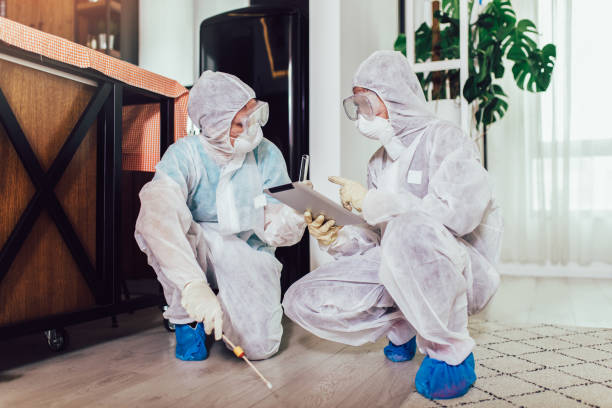
Long-Term Prevention Guidance
- Sealing potential entry points like windows, doors, and vents.
- Maintaining cleanliness in food storage areas to avoid attracting pests.
- Landscaping changes such as keeping bushes trimmed away from buildings.
This tailored approach not only resolves current pest issues but also safeguards against future infestations through proactive measures. A professional’s ability to adapt solutions around client needs sets them apart in delivering effective results every time.
Tips from Miami Gardens FL Pest Control Experts for Long-Term Solutions
Professional exterminators play a pivotal role not just in eliminating pests, but also in ensuring clients are equipped with the knowledge and tools necessary to maintain a pest-free environment over time. By educating clients, exterminators empower them to implement preventive measures, reducing the chances of future infestations. Below is an overview of how exterminators inform and advise clients for sustainable pest control.
Understanding Pest Behavior and Risks with Pest Control Service Miami Gardens FL
Exterminators provide detailed insights into the behavior, biology, and habits of pests that have infested a property. This information helps clients understand:
– Why pests are attracted to their home or business (e.g., food sources, moisture, or structural gaps).
– The potential health risks associated with specific infestations (e.g., allergies from cockroach droppings or diseases from rodents).
– Structural damage risks posed by pests like termites or carpenter ants.
By explaining these details, exterminators help clients recognize vulnerabilities in their premises that may contribute to future infestations.
Recommendations for Environmental Modifications
One crucial aspect of long-term pest management is altering the environment to make it less inviting for pests. Exterminators often advise clients on:
1. Sanitation Practices:
– Proper storage of food in sealed containers.
– Regular cleaning schedules for kitchens and dining areas to eliminate crumbs and spills. 2. Moisture Control:
– Fixing leaky pipes or faucets that may attract pests such as cockroaches or silverfish.
– Ensuring proper ventilation in basements and attics to reduce humidity levels. 3. Structural Repairs:
– Sealing cracks, gaps, and holes where pests may enter a building. – Installing screens on vents and windows.
These modifications not only tackle current pest issues but also prevent new ones from arising.
Guidance on Preventive Treatments
Exterminators might recommend proactive treatments like:
– Routine inspections to catch early signs of pest activity before they escalate.
– Applying preventive barriers such as perimeter sprays or bait stations for high-risk areas (e.g., around building foundations).
By regularly monitoring the property after initial treatment, they help ensure long-term protection.
| Prevention Strategy | Example Actions | Benefits |
| Sanitation Improvements | Clean surfaces daily | Reduces food sources for pests |
| Moisture Reduction | Fix leaks; add dehumidifiers | Minimizes habitation opportunities |
| Structural Maintenance | Seal cracks; install screens | Blocks entry points effectively |
Communication About Treatment Plans
A professional exterminator takes time to explain treatment methods used during each visit: – The types of products applied (e.g., eco-friendly options).
– Specific areas treated within the home or workplace. – Expected outcomes over time.
They also discuss any follow-up services needed while addressing client concerns about safety precautions.
Encouraging Client Involvement
For successful long-term pest management strategies, cooperation between the exterminator and client is essential: – Clients are encouraged to monitor for signs of re-infestation once treatments are completed. – They are provided with easy-to-follow checklists outlining steps they can take after services are rendered.
Educating homeowners or business operators enables them not only to address immediate concerns but also build practices aimed at maintaining a clean and secure space well into the future.
Why the Role of an Exterminator Goes Beyond Simply Eliminating Pests
While the primary goal of exterminators is to address pest infestations, their role extends far beyond simply eradicating pests. Professional pest control experts play a much larger part in ensuring safety, environmental responsibility, public health, and long-term prevention. Let’s explore the multifaceted responsibilities that make exterminators an essential part of maintaining healthy living and working spaces.
Protecting Public Health and Well-Being
- Preventing diseases caused by pests such as rodents (e.g., hantavirus) or insects like mosquitoes (e.g., malaria, West Nile virus).
- Reducing allergens associated with pests like cockroaches or dust mites, which can aggravate conditions such as asthma.
- Safeguarding food supplies in homes and businesses from contamination by pests like ants or rats.
By eliminating these hazards, exterminators contribute significantly to public health efforts.
Educating Clients on Prevention Strategies
- Identifying factors that attract pests, such as poor sanitation practices or structural vulnerabilities in buildings.
- Offering tips on decluttering spaces, sealing entry points, and proper waste disposal techniques to minimize infestations.
- Recommending products or treatments that can be safely used for ongoing preventive measures.
This advisory role empowers clients to take proactive steps in protecting their property against future invasions.
Commitment to Eco-Friendly Pest Control Practices
| Eco-Friendly Practice | Explanation |
| Using Integrated Pest Management (IPM) | Combines biological control methods with targeted chemical use where needed. |
| Avoiding Harmful Chemicals | Opting for less toxic pesticides that are safe for humans and non-target species. |
| Promoting Habitat Modification | Encouraging changes such as landscaping strategies that deter harmful pests. |
This responsible approach helps balance pest elimination with environmental preservation.
Supporting Structural Integrity of Homes and Businesses
- Inspecting wooden structures for tunnels or weak spots caused by termites.
- Advising on necessary repairs or reinforcements.
- Applying treatments designed to prevent further structural harm.
Their expertise ensures that properties remain safe and habitable over time.
Acting as a Partner in Community Safety Efforts
- Assisting in pest management programs for public spaces like parks or urban areas.
- Conducting awareness campaigns highlighting safe pest control techniques.
- Sharing data on common infestation trends within specific regions.
By partnering with communities, exterminators play a critical role in fostering healthier environments on a larger scale.
The responsibilities of professional exterminators go far beyond immediate pest elimination efforts. From protecting public health to supporting sustainable practices and working alongside communities, their work has lasting impacts on daily life while addressing broader environmental challenges effectively.
- Essential Services Offered by a Pest Control Company Miami Gardens FL and Why You Need Them
- Why Miami Gardens FL pest control is essential year-round to stop mosquitoes, rodents, and termites
- How a Pest Control Company Miami Gardens FL Can Help Identify and Prevent Bedbug Infestations in Your Home
- Effective Solutions Used by a Pest Control Company Miami Gardens FL
- How Miami Gardens FL pest control Experts Handle Termite Infestations and Help Homeowners
- Primary Duties and Responsibilities of a Pest Control Company Miami Gardens FL
- Expert Pest Control Company in Miami Gardens FL for Your Property
- The Importance of Miami Gardens FL Pest Control for Every Property
- Understanding Miami Gardens FL Pest Control and Its Importance for Your Home and Property