

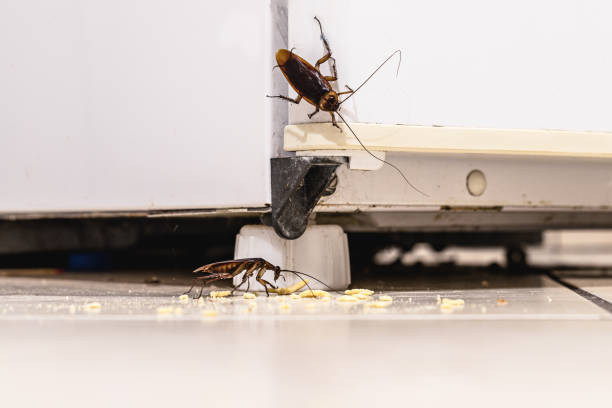
Termites are among the most destructive pests, capable of causing significant damage to homes and other structures if left unchecked. A termite exterminator is a trained professional who specializes in identifying, treating, and preventing termite infestations. Their expertise ensures that your property remains protected from these persistent pests.
Key Responsibilities of a Pest Control Company Miami Gardens FL
- Conduct thorough assessments of properties to detect signs of termite activity or damage.
- Identify species of termites present (e. g. , subterranean, drywood, dampwood) since treatment methods vary by species.
- Develop customized treatment strategies based on the infestation’s severity, type, and location.
- Ensure plans align with environmental guidelines and safety standards.
- Utilize specialized tools and products to eliminate termites effectively.
- Apply termiticides (chemical treatments), bait systems, or heat treatments depending on the infestation’s nature.
- Recommend measures to prevent future infestations, such as moisture control or structural enhancements.
- Offer periodic inspections to ensure long-term protection.
- Inform homeowners about how termites operate and what behaviors or conditions attract them.
- Provide tips for maintaining a termite-free home environment.
Top Reasons to Hire an Exterminator Miami Gardens FL Residents Trust
- Expert Knowledge:Professionals understand termites’ habits and life cycles, enabling them to target infestations at their source effectively.
- Comprehensive Inspections:They can identify subtle signs of termites that may be overlooked by untrained eyes.
- Tailored Solutions:Customized treatment plans ensure minimal disruption while eradicating pests efficiently.
- Long-Term Protection:Their preventive measures help reduce the risk of recurring infestations.
- Safety Compliance:Experts ensure that all treatments are safe for humans, pets, and the environment.
Key Indicators You May Need Miami Gardens Pest Removal
Knowing when to call a termite exterminator is crucial for minimizing damage to your property.
| Signs | Description |
| Discarded Wings | Evidence of swarming termites near windowsills or baseboards |
| Mud Tubes | Pencil-thin tunnels constructed along walls or foundations |
| Hollow-Sounding Wood | Wood that sounds empty when tapped indicates internal damage |
| Frass | Small piles of sawdust-like debris caused by drywood termites |
| Blistering Paint | Bubbling paint may indicate moisture build-up caused by hidden termites |
Effective Pest Control Service Miami Gardens FL to Protect Your Property
A termite exterminator’s role goes beyond simply removing existing pests; they also focus on protecting your home from future threats. By addressing foundational issues like moisture buildup or wood-to-ground contact points, exterminators help reduce conditions conducive to new infestations.
Hiring a skilled professional ensures peace of mind while safeguarding one of your most significant investments—your property—against costly structural damage caused by termites over time.
Understanding the Role of a Professional Termite Exterminator
A professional termite exterminator plays a critical role in protecting homes, businesses, and properties from the destructive effects of termites. Termites are silent destroyers that can compromise the structural integrity of buildings if left untreated. Exterminators are trained specialists who use their expertise to assess, identify, and eliminate termite infestations effectively. Here’s a closer look at their responsibilities and how they help property owners.
Key Responsibilities of a Termite Exterminator
- A thorough inspection is the first step in addressing any termite issue.
- Professionals look for signs of termites such as mud tubes, discarded wings, hollow wood, or visible damage.
- They assess the extent of an infestation and identify termite species (subterranean, drywood, or dampwood) to determine appropriate treatment.
- Based on the inspection results, exterminators create tailored strategies for eradication.
- The treatment plan may include localized spot treatments or full-structure interventions.
- Termite exterminators utilize specialized tools and chemicals to treat affected areas.
- Methods may include bait stations, liquid termiticides, fumigation (in severe cases), or heat treatments for non-chemical options.
- Professionals provide guidance on how to reduce future infestations by addressing moisture issues or sealing entry points.
- They may set up ongoing monitoring systems to detect new termite activity early.
- Regular follow-ups ensure the effectiveness of treatments and confirm that termites have been eliminated.
- Re-treatment is performed if necessary to maintain long-term protection.
Benefits of Hiring a Professional Termite Exterminator
| Benefit | Explanation |
| Expertise and Knowledge | Trained professionals understand termite behavior and use proven techniques tailored to specific infestations. |
| Advanced Tools & Techniques | Exterminators have access to industry-grade equipment not available for public use. |
| Accurate Identification | Identifying termite species correctly is crucial for effective treatment; professionals excel in this area. |
| Time-Saving Solutions | A professional service usually resolves infestations faster than trial-and-error DIY efforts. |
| Long-Term Protection Plans | Many exterminators offer warranties or monitoring systems for added peace of mind after treatment. |
Why You Should Consider Professional Assistance
Attempting to handle termites without professional expertise can lead to worsening infestations or inadequate solutions that fail over time. Professionals not only eliminate current problems but also implement measures to prevent costly structural damage in the future. A skilled termite exterminator ensures your property remains safe and secure from these destructive pests through comprehensive approaches designed with precision and care.
By understanding what a professional termite exterminator does and how they operate, homeowners can make informed decisions about safeguarding their property against one of nature’s most damaging pests.
Steps Taken by Termite Exterminators to Eliminate Infestations
Termites are among the most destructive pests, capable of causing significant structural damage if left unchecked. Professional termite exterminators follow a systematic process to identify, treat, and prevent termite infestations.
Inspection and Assessment
The first step in combating a termite infestation is a thorough inspection.
- Survey the property:Inspect both interior and exterior areas for signs of termite activity.
- Identify species:Determine the type of termites (e. g. , subterranean, drywood, or dampwood) involved in the infestation.
- Locate colonies:Use advanced tools such as moisture meters, infrared cameras, or borescopes to pinpoint active colonies within walls, floors, or wooden structures.
- Evaluate damage:Assess the extent of structural damage caused by termites and determine whether repairs are needed.
Customized Treatment Plan
After inspection, exterminators develop a tailored treatment strategy based on factors such as termite species, property layout, and severity of infestation.
- Chemical treatments: Use of termiticides to target active colonies and create barriers against future infestations.
- Baiting systems: Placement of bait stations around your property that attract termites with slow-acting toxins designed to eliminate entire colonies.
- Fumigation: For severe infestations involving dry wood termites, whole-house fumigation may be recommended as an effective option.
- Localized spot treatments: Focused application of termiticide in specific problem areas like woodwork or foundations.
Each treatment method is carefully chosen to minimize harm to non-target organisms and ensure long-term results.
Implementation of Treatments
- The exterminator applies selected measures safely and efficiently.
- For baiting systems: Stations are installed at strategic locations around the perimeter of your home.
- If chemical barriers are used: Liquid termiticides are injected into soil around foundations or drilled into infested wood for targeted action.
During this phase, professionals take precautions to protect your family, pets, and surrounding environment from exposure.
Monitoring and Follow-Up
Effective pest control requires ongoing monitoring after initial treatments.
- Conduct regular inspections to ensure no new termite activity arises.
- Replenish bait stations as needed to maintain their effectiveness.
- Provide recommendations on preventive measures for long-term protection.
Scheduling periodic follow-ups helps identify potential risks early while ensuring that any residual colonies are eliminated.
Table: Common Tools Used by Termite Exterminators
| Tool/Equipment | Purpose |
| Moisture Meters | Detect high-moisture areas where termites thrive |
| Infrared Cameras | Identify hidden termite activity behind walls |
| Borescopes | Inspect hard-to-reach spaces within wooden structures |
| Liquid Applicators | Deliver termiticides directly into affected areas |
| Bait Stations | Attract termites with toxic baits designed for colony elimination |
Tips for Homeowners During the Process
- Clear clutter from affected areas for easier access.
- Remove pets from treated zones until advised safe by professionals.
- Repair damaged wood or structures as needed under expert guidance.
- Implement preventative measures such as fixing leaks or reducing wood-to-soil contact near foundations.
By following these steps with professional help, you can safeguard your home against costly structural damage caused by termites effectively.
Why Hiring a Skilled Termite Exterminator is Essential for Your Home
Their ability to silently destroy wood structures can result in significant property damage and costly repairs. Hiring a skilled termite exterminator is not just an investment in pest control—it is an investment in protecting your home and its value. Below, we explore the key reasons why enlisting the help of a professional termite exterminator is essential.
Expertise in Identification and Treatment
Professional exterminators possess specialized knowledge and training to identify the type of termites infesting your home. Different termite species require different treatment approaches, which makes accurate identification crucial.
– Conduct a thorough inspection of your property to determine the type and extent of the infestation.
– Develop a tailored treatment plan based on the specific termite species present.
– Provide long-term solutions instead of short-term fixes.
Without this expertise, DIY treatments or improperly handled infestations may fail to fully eliminate termites, allowing them to cause further damage over time.
Use of Advanced Tools and Techniques
Skilled termite exterminators utilize specialized tools and techniques that are not readily available to homeowners attempting DIY pest control methods.
– Termite detection devices: Thermal imaging cameras, moisture meters, or acoustic sensors for precise detection of termite activity inside walls or floors.
– Baiting systems: Professional-grade bait stations strategically placed around your property to lure termites away from structural wood.Chemical barriers: Application of liquid termiticides around foundations to create a protective barrier against future infestations.Fumigation services: For severe infestations requiring comprehensive treatment throughout an entire structure.
These advanced techniques ensure effective elimination while minimizing risks to non-target areas, pets, or humans.
| Tool/Method | Purpose | Benefits |
| Thermal imaging | Detects hidden termite nests | Non-invasive; accurate results |
| Baiting systems | Attracts termites with slow-acting poison | Targets colony at its source |
| Liquid termiticides | Creates barriers around structures | Long-lasting prevention measures |
Protection Against Structural Damage
Termites feed primarily on wood but can also damage other materials such as insulation or drywall during their search for food sources. Hiring a professional ensures early detection before extensive damage occurs—a proactive step that saves thousands in potential repair costs. Consider these figures: – The average cost of repairing termite-related damage ranges from $3,000–$8,000 depending on severity. – An annual inspection from a licensed exterminator typically costs far less than structural repairs caused by unchecked infestations.
Tailored Prevention Plans
A professional exterminator doesn’t just eradicate current infestations—they also implement preventative measures to reduce the likelihood of future problems. This includes: 1. Educating homeowners about conducive conditions for termites (e. g. , excess moisture around foundations).
2. Suggesting modifications like sealing cracks or reducing soil-to-wood contact near buildings. 3. Scheduling regular inspections to monitor for signs of re-infestation.
These preventative strategies provide long-term peace of mind while safeguarding one’s biggest investment: their home.
Professional Accountability
Licensed exterminators operate under strict regulations ensuring safety standards are met during treatment processes involving chemicals or equipment use—something untrained individuals may overlook when attempting DIY methods.
In summary, hiring a skilled termite exterminator provides access not only to knowledge but also advanced resources necessary for proper identification, elimination, prevention planning—all aimed at preserving both structural integrity & value over time effectively
The Tools and Techniques Used by Modern Termite Exterminators
Modern termite exterminators employ a variety of tools and techniques to effectively combat infestations while minimizing risks to health, property, and the environment. These methods are designed to provide long-term solutions and prevent termites from causing extensive damage. Below is an overview of the tools and techniques commonly used by professionals in the field.
Inspection Tools
Before any treatment begins, a thorough inspection is conducted to determine the extent of the infestation.
- Moisture Meters: Help detect areas with excess moisture that are conducive to termite activity.
- Infrared Cameras: Identify temperature variations behind walls or under floors, which can indicate termite presence.
- Borescopes: Allow professionals to inspect hard-to-reach areas within walls or ceilings without causing unnecessary damage.
- Probing Tools: Test wood structures for hollowness or damage caused by termites.
These tools allow exterminators to locate termite colonies with precision while assessing structural vulnerabilities.
Chemical Treatments
Chemical treatments are one of the most effective ways to eliminate termites. These substances are carefully selected based on the infestation type and severity.
- Liquid Termiticides: Applied in trenches around a building’s foundation, creating a protective barrier that repels or kills termites upon contact.
- Termite Baits: Stations containing slow-acting toxic baits are strategically placed around infested areas. Worker termites transport the bait back to their colonies, eventually eliminating them.
- Dusting Agents: Used inside wall voids or wooden structures, these powders target active infestations directly.
Professionals ensure that all chemicals meet regulatory standards for safety and efficacy.
Non-Chemical Techniques
With advancements in pest control technology, non-chemical approaches have become increasingly popular for their environmentally friendly nature.
- Heat Treatments: High-temperature systems are used to eradicate termites in localized areas without relying on chemicals.
- Electro-Gun Systems: Deliver targeted electrical currents to infested wood, effectively killing termites on contact.
- Microwave Technology: Penetrates wood surfaces to reach termites deep within structures. This method is particularly useful for hard-to-access areas.
These methods provide homeowners with eco-conscious alternatives while maintaining effectiveness.

Preventative Measures
Beyond eradication, modern exterminators emphasize prevention as a critical part of their service offerings.
- Installing physical barriers such as stainless steel mesh during construction phases to block termite entry points.
- Treating soil around foundations with termiticides before construction begins (commonly known as pre-construction treatment).
- Recommending maintenance practices such as eliminating moisture sources or addressing wood-soil contact issues that attract termites.
| Preventative Measure | Benefit | Example |
| Physical Barriers | Blocks entry points | Stainless steel mesh under flooring |
| Soil Treatments | Protects from subterranean infestations | Pre-construction application |
| Moisture Control | Reduces conducive conditions | Fixing leaks or using dehumidifiers |
Advanced Monitoring Systems
- Electronic sensors that detect termite activity in real time.
- Remote monitoring devices linked with mobile apps for ongoing surveillance.
- Periodic inspections based on installed bait stations or traps.
These tools empower exterminators and homeowners alike with enhanced control over potential recurring infestations.
By leveraging these sophisticated tools and innovative techniques, professional termite exterminators not only remove existing threats but also help safeguard properties against future invasions effectively and responsibly.
How to Identify When You Need a Termite Exterminator to Protect Your Property
These wood-destroying insects can silently compromise the structural integrity of your home over time, often without noticeable signs. Knowing how to identify when you need a termite exterminator is critical for protecting your investment and ensuring safety.
- Frass (Termite Droppings): Drywood termites leave behind small, pellet-like droppings near infested areas.
- Discarded Wings: After swarming, termites shed their wings.
When to Call a Termite Exterminator
- Visible Damage: If you notice structural damage such as sagging floors or ceilings, it’s time for immediate professional help.
- Persistent Swarmers: Spotting multiple swarms of flying termites indicates an active infestation nearby.
- Preventative Inspections for Older Homes: Homes with older wooden structures are particularly vulnerable and require routine inspections by an expert.
- DIY Treatments Have Failed: If you’ve attempted over-the-counter treatments without success, it’s best to escalate the situation with certified professionals.
Benefits of Early Detection
Identifying termite activity early can save you significant repair costs and prevent further damage.
| Benefit | Description |
| Cost Savings | Early intervention reduces repair costs by addressing infestations quickly. |
| Structural Integrity | Prevents long-term damage that compromises foundational strength. |
| Peace of Mind | Professional inspections ensure no hidden colonies remain undetected. |
Why Professional Assistance is Critical
DIY methods may seem appealing but often fail to target the root cause of termite infestations effectively. A licensed exterminator has access to advanced tools such as thermal imaging cameras and moisture meters to locate hidden colonies. They also use tailored treatment plans like baiting systems or soil treatments designed specifically for your property’s needs.
By recognizing the warning signs early and seeking assistance from a qualified termite exterminator when needed, you can protect your home from costly damages while maintaining its value over time.
What to Expect During a Visit from a Professional Termite Exterminator
A professional termite exterminator plays a crucial role in identifying and addressing termite infestations effectively. If you’ve scheduled an exterminator visit, knowing what to expect can help set realistic expectations and ensure the process runs smoothly. Below is a detailed breakdown of what typically happens during such visits.
Initial Inspection
The first step in any termite treatment is a thorough inspection of your property.
– Assess Problem Areas:They’ll examine areas where termites are most likely to be found, such as basements, crawlspaces, wooden structures, foundations, and attics.
– Identify Signs of Infestation:
– Determine the Extent of Damage:By inspecting your home’s structure, they’ll gauge how advanced the infestation is and whether it has compromised structural integrity.
This inspection typically involves both visual checks and specialized equipment like moisture meters or infrared cameras to detect hidden colonies.
Explanation of Findings
Once the inspection is complete:
– The exterminator will provide an overview of their findings.subterranean termites, drywood termites, or other species that may require tailored treatment approaches. – A breakdown of potential risks and damages caused by current infestations will also be given.
Expect clear communication about what steps need to be taken next and why those steps are necessary.
Treatment Plan Proposal
Depending on the severity and type of infestation, they will recommend an appropriate treatment plan.
1.Chemical Treatments– Using liquid termiticides around foundations or inserting them into wood structures to create barriers against termites.
2.Bait Stations– Installing bait stations around your property to draw termites away from your home while eliminating colonies over time. 3.Fumigation (if needed)– In cases involving widespread drywood termite infestations, fumigation may be recommended for comprehensive coverage. 4.Physical Barriers– For new constructions or preventative measures in existing homes, physical barriers like stainless steel mesh or sand can block entry points.
The exterminator should also discuss expected timelines for treatment completion and follow-up visits if required.
Execution of Treatment
Once you approve the proposed plan:
– The exterminator will prepare your home for treatment by sealing off targeted areas if necessary. – For chemical treatments or bait station installations, they’ll ensure proper placement to maximize effectiveness. – If fumigation is required (for severe infestations), preparations such as vacating the home for several days may be part of this process.
Every step is carried out with safety precautions in mind for both humans and pets living on the property.
Post-Treatment Examination & Recommendations
After completing initial treatments:
1. A follow-up inspection might be conducted to gauge effectiveness. 2. The exterminator may offer regular monitoring services as part of ongoing pest management strategies. 3.
Benefits of Professional Termite Extermination Services
| Benefit | Description |
| Expertise | Professionals understand termite behavior and apply targeted solutions. |
| Long-Term Effectiveness | Treatments address problem areas thoroughly with lasting results. |
| Advanced Tools & Techniques | Access to technology like infrared imaging ensures no colony goes undetected. |
| Safety | Proper handling of chemicals reduces risks associated with DIY attempts. |
By understanding what happens during a professional termite extermination visit, homeowners can feel confident in taking proactive steps toward safeguarding their homes against these destructive pests while partnering effectively with skilled professionals for long-term protection.
What to Expect During a Visit from a Professional Termite Exterminator
When dealing with termites, homeowners often turn to professional exterminators for effective and long-lasting solutions. Understanding what happens during a visit from a professional termite exterminator can demystify the process and help you prepare.
Initial Inspection and Assessment
The first step of the exterminator’s visit is an in-depth inspection of your property.
– Exterior Inspection:The exterminator will examine the foundation, crawlspaces, and exterior walls for visible signs of termite activity such as mud tubes, damaged wood, or discarded wings.
– Interior Inspection:Inside your home, they will look for hollowed-out wood, buckling floors or ceilings, and pinpoint entry points where termites could have infiltrated.
They may also use specialized tools such as moisture meters or infrared cameras to detect hidden infestations that aren’t visible to the naked eye.
Discussion of Findings
Once the inspection is complete, the exterminator will share their findings with you.
– The extent of the infestation and areas affected.
– The species of termites present (e. g. , subterranean or drywood termites).
– Potential damage already caused by the termites.
At this stage, they will also provide recommendations for treatment methods based on their observations.
Treatment Plan Development
The exterminator will create a customized treatment plan tailored to your specific situation.
1.Severity of Infestation– Light infestations might require spot treatments, while heavier ones could necessitate full-property fumigation.
2.Type of Structure– Homes with wooden foundations may need different treatments compared to those with concrete slabs. 3.Environmental Considerations– Organic or less invasive methods might be suggested if requested.
Application of Treatment Methods
| Method | Description | Purpose |
| Liquid Termiticides | A chemical barrier is applied around the property’s perimeter. | To prevent entry and eliminate active colonies. |
| Baiting Systems | Bait stations are strategically placed around your property. | To attract and poison worker termites slowly. |
| Fumigation | Entire structure is tented and treated with gas fumigants. | To eradicate widespread infestations deeply. |
Throughout this process, safety measures are implemented to protect residents and pets while ensuring effectiveness.
Post-Treatment Follow-Up
- The exterminator may schedule follow-up visits to assess whether treatments were successful.
- They’ll advise on prevention strategies to reduce future risks such as sealing cracks in foundations or addressing moisture issues.
- In some cases, warranties or guarantees are offered for additional peace of mind.
Understanding each step ensures that you’re well-informed about what occurs during a termite extermination visit—empowering you to maintain your property’s structural health effectively over time.
- Essential Services Offered by a Pest Control Company Miami Gardens FL and Why You Need Them
- Why Miami Gardens FL pest control is essential year-round to stop mosquitoes, rodents, and termites
- How a Pest Control Company Miami Gardens FL Can Help Identify and Prevent Bedbug Infestations in Your Home
- Effective Solutions Used by a Pest Control Company Miami Gardens FL
- How Miami Gardens FL pest control Experts Handle Termite Infestations and Help Homeowners
- Primary Duties and Responsibilities of a Pest Control Company Miami Gardens FL
- Expert Pest Control Company in Miami Gardens FL for Your Property
- The Importance of Miami Gardens FL Pest Control for Every Property
- Understanding Miami Gardens FL Pest Control and Its Importance for Your Home and Property